Hiring a Drain Service in Mauá SP for the First Time: What Actually Happens
It starts with a small detail: the kitchen sink drains slower, then stops altogether. You stare at the standing water, grab your phone, and type something like desentupidora em Mauá SP into the search bar. You have never hired a drain service before, and you are not sure whether to call, wait, or grab a plunger. This is a calm, ordered explanation of what happens from that first search to the moment the water finally disappears.
The first call: what to say when you are not sure what is wrong
When you call a drain company, the person on the other end is not expecting you to diagnose the problem. They need three things: your address in Mauá, what you can see, and how long it has been happening. Say whether the water backs up in one sink or in several drains at once. That single detail helps the technician guess whether the blockage is close to the fixture or deeper in the main line.
You will also be asked whether the problem is in the kitchen, the bathroom, or an outdoor drain. If sewage is coming up through a floor drain, say so immediately. Water rising in multiple drains usually points to a main line issue, not a single clog, and that changes the equipment the team brings. If you rent, have your landlord’s contact ready; some decisions about access or repairs may need approval.
Before you hang up, confirm the visit window and the call-out fee. A reputable company will explain the base charge and how the final price is calculated. This is also the moment to mention any gate codes, pets, or parking restrictions, because a service van in Mauá may need a specific spot to park and run hoses.
What the technician checks before any work begins
When the van arrives, the first ten minutes are about observation, not tools. The technician will ask you to run water in the affected fixtures and watch how it behaves. They may look at the cleanout cap, the inspection box, or the drain grate outside. This is how they decide between a simple snake, a plunger, or a high-pressure jetting machine.
You should expect questions about the building’s age and any recent renovations. New tiles, a remodeled bathroom, or a recently installed sink can shift where debris enters the pipe. If you have used chemical drain cleaners, tell them. Caustic chemicals can sit in the trap and burn the technician’s skin or damage older pipes, so honesty here protects both the worker and your plumbing.
For a straightforward sink or shower clog, the fix is often quick and contained. For a blocked sewer line, the team may need to access a cleanout outside the house or lift a manhole cover. In Mauá, many homes have their own private stretch of pipe before it connects to the public network, and that private stretch is usually the owner’s responsibility.
The tools and steps used to clear the blockage
Once the technician knows where the problem likely sits, the work follows a predictable order. First, they protect the area with a mat or bucket to catch dirty water. Then they remove the drain cover or open the cleanout. From there, the tool depends on the clog:
- Manual snake or auger: for short, soft clogs close to the drain, such as hair and soap scum.
- Electric drain machine: for longer runs and tougher blockages, including grease and roots in older pipes.
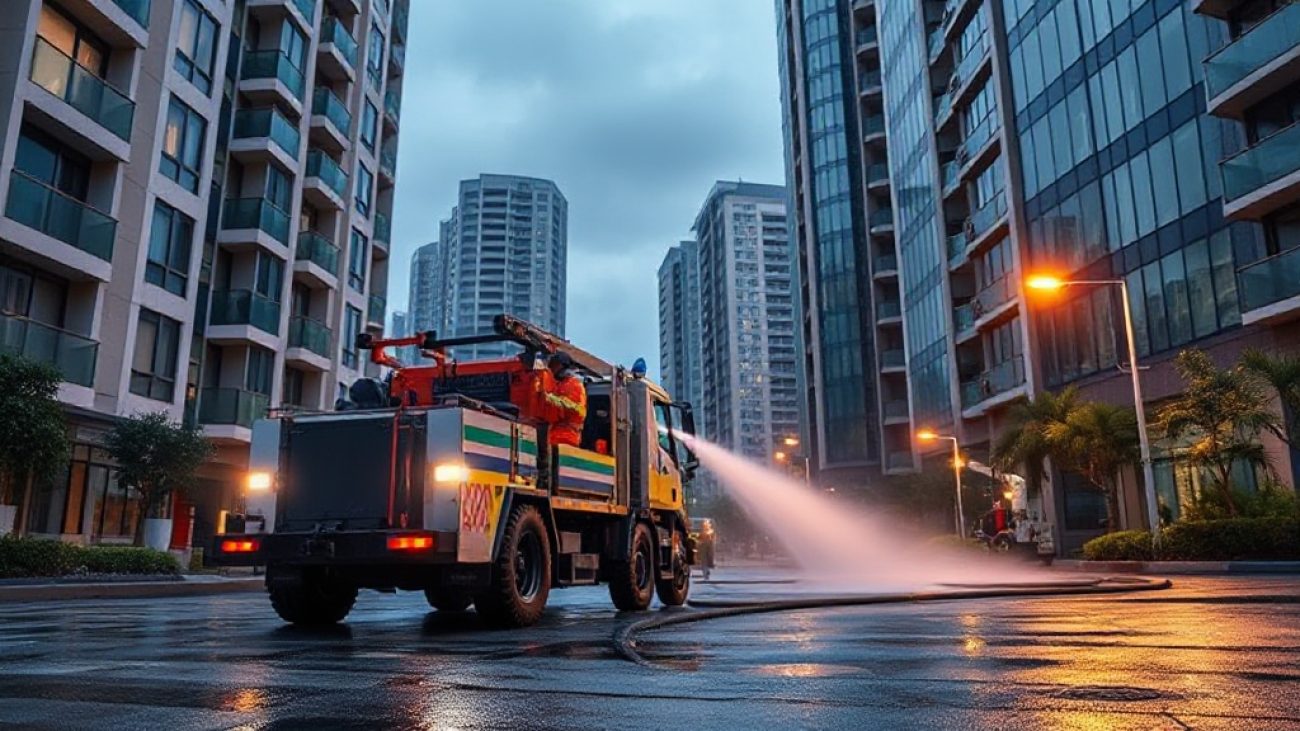
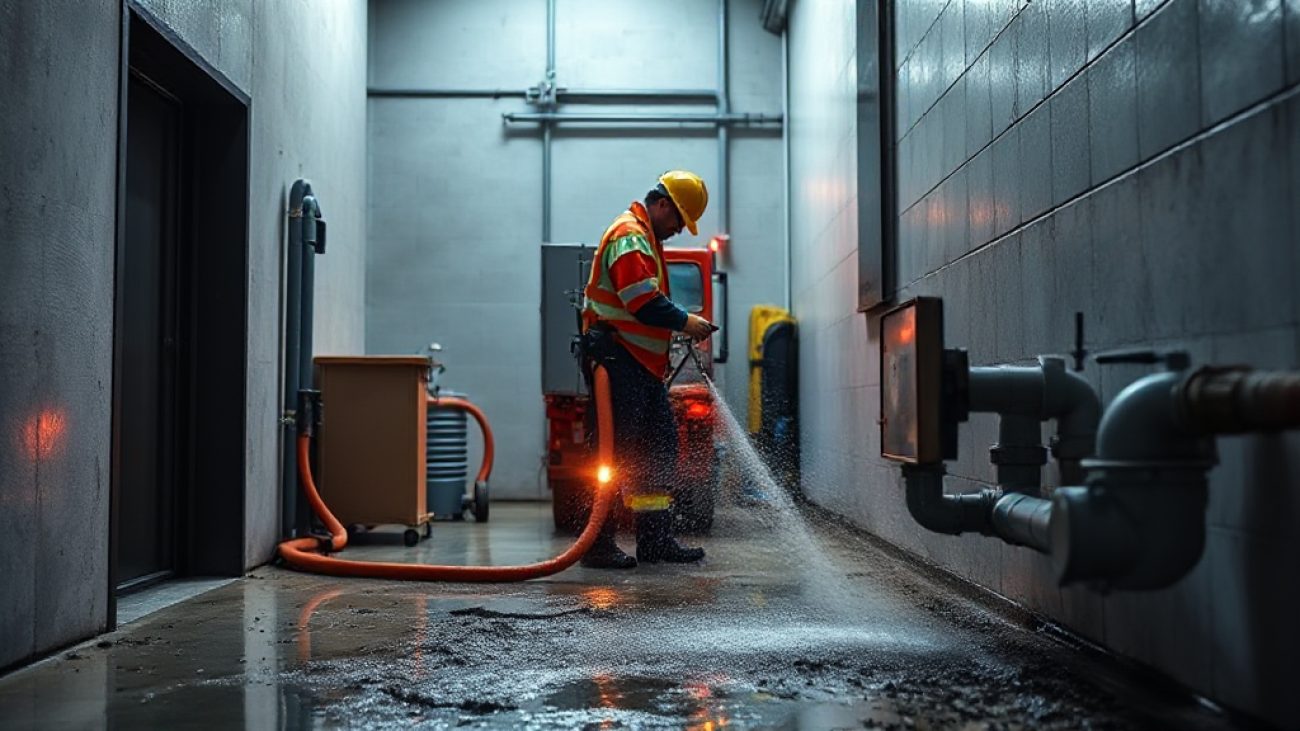
- Hydro-jetting: a high-pressure water stream that scours the inside of the pipe, often used after the initial clog is broken.
If the blockage is in a sewer line, the technician may use a camera to see what is actually inside the pipe. This is not a sales tactic; it prevents guesswork. A camera can show a collapsed section, a root intrusion, or a buildup of grease that a snake would only punch through temporarily. For a first-time caller, the key takeaway is that the right tool is chosen from what the pipe shows, not from a standard package.
After the water starts moving, the technician should flush the line with clean water and check that it drains at normal speed. They may also run water in nearby fixtures to confirm the main line is clear, not just the single drain you called about.
Time, cost, and the choices you may face
A simple sink or shower clog can take under an hour. A main sewer line that needs jetting or camera inspection may take two to three hours, depending on access and how much debris has built up. The cost usually combines a call-out fee, the labor for the visit, and any specialized service such as hydro-jetting or camera work. Ask for the price before the work starts, and ask what happens if the blockage turns out to be worse than expected.
You may be offered a preventive treatment after the clog is cleared. This can be useful for older properties in Mauá where tree roots and grease have caused repeated problems. It is not mandatory. A good technician will explain what they found and let you decide whether a follow-up makes sense.
If the problem is a collapsed pipe or a broken connection, a drain service cannot always fix it in one visit. In that case, the technician should document the issue and explain the next step, which may involve a repair crew or the local utility. Knowing this in advance prevents the surprise of a second bill.
How to tell the visit went well and when to call again
A successful visit ends with water draining freely, no gurgling sounds, and no damp smell coming from the drain. The technician should leave the area clean and tell you what caused the clog so you can avoid repeating it. In many cases, that means changing what goes down the kitchen sink or installing a hair catcher in the shower.
Keep the receipt and any notes about what was done. If the same drain blocks again within a few weeks, that record helps the next technician understand the history. For a first-time caller, the most reassuring sign is a company that explains each step as it happens and does not pressure you into services you did not ask for. Whether you search for a desentupidora Mauá at midnight or on a quiet Tuesday morning, the process should feel ordered, not chaotic.
If you ever face an emergency after hours, a desentupidora Mauá SP with 24-hour service can walk you through shutting off the water while you wait. The panic you felt at the sink is normal, but the visit itself is usually a straightforward sequence: listen, inspect, clear, confirm, and explain. Once you have been through it once, the next slow drain will feel far less intimidating.