cmuvqkyem0va4g3ra5fjgj9e7-1791234188864

7 Schritte, wie ich in Karlsruhe Pizza bestelle: Vorbereitung und Ablauf

7 Schritte, wie ich in Karlsruhe Pizza bestelle: Vorbereitung und Ablauf

Es ist 18:47 Uhr an einem Dienstag im Oktober, der Kühlschrank ist leer, draußen regnet es, und meine Mitbewohnerin ruft aus dem Wohnzimmer: „Bestellst du wieder Pizza?“ Genau in diesem Moment beginnt bei mir ein eingespielter Ablauf. Ich habe in den letzten Jahren oft genug in Karlsruhe Pizza bestellt, um zu wissen, dass die entscheidenden Minuten nicht beim Anruf oder beim Klick auf „Bestellen“ verloren gehen, sondern davor. Wer vorbereitet ist, bekommt schneller eine heiße Pizza und vermeidet die typischen Fehler, die den Abend unnötig in die Länge ziehen. Wenn du in Karlsruhe eine Pizza Karlsruhe bestellen möchtest, hilft dir dieser Ablauf, den Prozess so reibungslos wie möglich zu gestalten.

1. Vorbereitung: Adresse, Zahlungsart und Timing klären

Bevor ich überhaupt die Speisekarte öffne, prüfe ich drei Dinge: die genaue Lieferadresse inklusive Etage und Klingelschild, die gewünschte Zahlungsart und den Zeitpunkt, zu dem das Essen ankommen soll. Das klingt banal, spart aber erfahrungsgemäß die meisten Rückfragen. In Karlsruhe gibt es Adressen, bei denen die Hausnummern in den Seitenstraßen nicht immer eindeutig sind, besonders in der Oststadt und rund um die Südstadt. Wenn ich weiß, dass der Fahrer mich nicht sofort findet, schreibe ich eine kurze Notiz wie „Hinterhof, zweite Tür links“ dazu. Das beschleunigt die Lieferung messbar.

Bei der Zahlungsart entscheide ich mich früh. Wer bar bezahlt, sollte passend oder mit kleinen Scheinen rechnen. Wer online zahlt, hat den Vorteil, dass an der Tür kein Wechselgeld gesucht werden muss. Bei einem Pizza Lieferservice in Karlsruhe ist es sinnvoll, vorab zu wissen, ob PayPal oder Barzahlung möglich ist, damit man nicht erst beim Fahrer umdisponieren muss. Ich persönlich prüfe außerdem, ob ein Mindestbestellwert gilt und ob die gewünschte Pizza Teil des Mittagsangebots oder der regulären Karte ist. Diese Vorabklärung dauert keine zwei Minuten und verhindert, dass ich später die Bestellung anpassen muss.

Zum Timing: Stoßzeiten liegen in Karlsruhe typischerweise zwischen 18:00 und 20:00 Uhr sowie freitags und samstags ab 19:00 Uhr. Wenn ich weiß, dass ich zu dieser Zeit bestellen will, plane ich entweder etwas früher oder ich erwarte eine längere Lieferzeit. Wer zum Mittagessen bestellt, profitiert oft von einem eigenen Lunch-Menü, das schneller zubereitet wird und preislich attraktiver ist. Ich schaue mir daher immer zuerst an, ob es ein Mittagsangebot gibt, bevor ich mich für eine große Pizza entscheide.

2. Der Ablauf: von der Speisekarte bis zur Tür

Mein typischer Ablauf sieht so aus: Ich öffne die Website oder die Bestellseite, wähle die Kategorie Pizza, entscheide mich für Größe und Belag und prüfe, ob ich eine Beilage wie Salat oder Pasta dazunehmen möchte. Gerade bei Gruppenbestellungen lohnt es sich, vorher zu sammeln, wer was möchte. Ich notiere die Wünsche auf dem Handy, bevor ich die Bestellung eintippe. Das vermeidet Diskussionen und Nachbestellungen.

Dann gebe ich die Adresse ein, wähle die Zahlungsart und kontrolliere die Bestellübersicht. Ein häufiger Fehler ist, die Hausnummer oder die Postleitzahl zu vertauschen. In Karlsruhe gibt es einige Straßennamen mehrfach in verschiedenen Stadtteilen, daher lohnt der zweite Blick. Nach dem Absenden der Bestellung warte ich auf die Bestätigung. Sobald diese da ist, weiß ich, dass die Bestellung angenommen wurde. Bei der Lieferung achte ich darauf, dass das Klingelschild gut sichtbar ist und das Treppenhauslicht funktioniert, falls es dunkel ist.

Ein weiterer Punkt: Wer zum ersten Mal bei einem neuen Anbieter bestellt, sollte sich die Lieferzeit und die Bewertungen kurz ansehen. Ich habe die Erfahrung gemacht, dass ein Blick auf die Speisekarte und die angebotenen Zahlungsarten ausreicht, um einzuschätzen, ob der Service zu mir passt. Wenn ich in Karlsruhe Pizza bestellen Karlsruhe möchte, prüfe ich außerdem, ob es aktuelle Angebote gibt, die den Preis oder die Lieferzeit beeinflussen. Das ist kein Muss, aber es hilft, den Abend besser zu planen.

Nach der Bestellung räume ich meist schon den Tisch ab und stelle Getränke bereit. Das klingt nach einer Kleinigkeit, macht aber den Unterschied, wenn die Pizza ankommt: Alles ist vorbereitet, und man kann direkt essen, solange die Pizza noch heiß ist. Ich habe mir angewöhnt, die Türklingel lauter zu stellen oder das Handy in der Nähe zu haben, damit ich die Ankunft des Fahrers nicht verpasse. In Mehrfamilienhäusern in Karlsruhe kann es vorkommen, dass der Fahrer unten klingelt und man ein paar Minuten braucht, bis man an der Tür ist. Wer vorbereitet ist, verliert diese Minuten nicht.

3. Variationen für andere Situationen

Nicht jede Bestellung läuft gleich ab. Wenn ich für eine Gruppe bestelle, sammle ich vorher alle Wünsche und achte darauf, dass mindestens eine vegetarische Option dabei ist. Bei Familien mit Kindern bestelle ich oft eine große Pizza zum Teilen und dazu einen Salat, damit alle satt werden. Wenn ich spät abends bestelle, prüfe ich, ob der Lieferservice noch geöffnet ist und wie lange die Lieferung dauert. In Karlsruhe gibt es Stadtteile, die etwas weiter vom Zentrum entfernt liegen, dort kann die Lieferzeit länger sein. Wer das weiß, plant entsprechend.

Eine andere Variation ist das Mittagessen. Viele Anbieter haben ein separates Lunch-Menü, das günstiger ist und schneller geht. Wenn ich im Homeoffice bin, bestelle ich oft gegen 12:00 Uhr, weil dann die Wartezeit kürzer ist als am Abend. Für Bürogruppen lohnt es sich, die Bestellung gebündelt aufzugeben, damit alle gleichzeitig essen können. Bei der Bezahlung achte ich darauf, dass die gewählte Methode für alle passt. Wer bar zahlt, sollte genug Kleingeld dabei haben; wer online zahlt, kann die Bestellung oft schneller abschließen.

Eine dritte Variation ist die Bestellung bei schlechtem Wetter. Regen und Kälte erhöhen die Nachfrage, und die Lieferzeiten können sich verlängern. Ich bestelle dann entweder früher oder wähle ein Gericht, das sich gut warm halten lässt. Pizza eignet sich dafür gut, Pasta weniger. Wenn ich Gäste erwarte, bestelle ich lieber etwas mehr, damit niemand hungrig bleibt. Und wenn ich unsicher bin, ob die Lieferung pünktlich kommt, rufe ich kurz an oder prüfe die Bestellbestätigung. Das ist kein Zeichen von Ungeduld, sondern Teil einer guten Vorbereitung.

Was ich außerdem gelernt habe: Es lohnt sich, die eigene Bestellung zu dokumentieren. Ich habe eine Notiz auf dem Handy mit meinen Lieblingspizzen und den Anpassungen, die ich gerne möchte, zum Beispiel ohne Zwiebeln oder mit extra Käse. Das verkürzt die Bestellung beim nächsten Mal erheblich. Wer regelmäßig in Karlsruhe Pizza bestellt, entwickelt mit der Zeit seinen eigenen Rhythmus und weiß, welche Uhrzeiten und welche Kombinationen am besten funktionieren.

Häufige Fragen zur Pizza-Bestellung in Karlsruhe

Wie lange dauert die Lieferung in Karlsruhe normalerweise?

Die Lieferzeit hängt vom Stadtteil, der Uhrzeit und der Auslastung ab. In Stoßzeiten zwischen 18:00 und 20:00 Uhr sowie am Wochenende kann es länger dauern als mittags. Wer flexibel ist, bestellt etwas früher oder später und verkürzt so die Wartezeit.

Welche Zahlungsarten sind üblich?

Viele Anbieter in Karlsruhe akzeptieren sowohl Barzahlung als auch PayPal. Bei der Barzahlung ist es hilfreich, passend oder mit kleinen Scheinen zu zahlen. Bei PayPal entfällt das Wechselgeld, und die Bestellung ist oft schneller abgeschlossen.

Gibt es ein Mittagsangebot?

Ja, viele Pizza-Lieferservices in Karlsruhe bieten ein Lunch-Menü an. Dieses ist häufig günstiger und wird schneller zubereitet. Wenn du mittags bestellst, lohnt sich ein Blick auf die entsprechende Kategorie, bevor du dich für die reguläre Karte entscheidest.

Was sollte ich vor der Bestellung vorbereiten?

Prüfe die genaue Lieferadresse inklusive Etage und Klingelschild, entscheide dich für eine Zahlungsart und notiere die Wünsche aller Mitesser. So vermeidest du Rückfragen und Nachbestellungen und sorgst dafür, dass die Pizza heiß ankommt.


cmuv8y79s0qvfg3raa8zybmwq-1791204572564

Điều danh mục sản phẩm của nhà cái uy tín âm thầm nói về độ tin cậy

Điều danh mục sản phẩm của nhà cái uy tín âm thầm nói về độ tin cậy

Khi một người chơi mở trang chủ của một nền tảng cá cược trực tuyến, điều đầu tiên họ thường nhìn là khuyến mãi hoặc tỷ lệ cược. Nhưng với người làm phân tích sản phẩm, thứ đáng đọc nhất lại nằm ở danh mục sản phẩm. Một nhà cái uy tín không chỉ bày ra những gì họ bán, mà còn gián tiếp kể câu chuyện về cách họ vận hành: họ đầu tư vào đâu, họ kiểm soát rủi ro thế nào, họ có đủ nguồn lực để duy trì chất lượng trên từng nhóm sản phẩm hay không. Danh mục sản phẩm vì thế là một dạng tuyên bố về năng lực, không phải một bảng menu đơn thuần.

Bài viết này đọc danh mục sản phẩm như một tài liệu về độ tin cậy. Mỗi nhóm sản phẩm được xem xét ở hai góc: sự hiện diện của nó nói gì, và sự vắng mặt của nó cảnh báo điều gì. Từ đó, người đọc có thêm một cách đánh giá nền tảng mà không cần dựa hoàn toàn vào lời quảng cáo.

Nhóm cá cược thể thao: độ sâu của thị trường phản ánh năng lực vận hành

Cá cược thể thao là nhóm sản phẩm lộ rõ nhất năng lực của một nền tảng. Một nhà cái chỉ liệt kê vài giải đấu lớn thường cho thấy họ đi theo hướng tối giản, tập trung vào thanh khoản cao và vận hành đơn giản. Ngược lại, một nền tảng phủ nhiều giải, nhiều loại kèo, nhiều thị trường phụ như kèo hiệp, kèo thẻ, kèo cầu thủ ghi bàn, đang cho thấy họ có hệ thống dữ liệu và đội ngũ giám sát đủ dày để xử lý khối lượng lớn.

Điều đáng chú ý là độ sâu của thị trường không chỉ là chuyện số lượng. Khi một nền tảng duy trì được nhiều loại kèo mà vẫn cập nhật tỷ lệ đều đặn, không giật giá bất thường, đó là dấu hiệu của một quy trình vận hành có kiểm soát. Sự ổn định này quan trọng hơn con số tổng. Một danh mục thể thao rộng nhưng tỷ lệ nhảy loạn xạ thường phản ánh hệ thống yếu hơn là một danh mục gọn nhưng vận hành trơn tru.

Với người đọc, câu hỏi nên đặt ra không phải “có bao nhiêu giải” mà là “các thị trường này có được duy trì đều không”. Đây là kiểu câu hỏi mà các trang đánh giá nghiêm túc thường dùng khi phân tích một nền tảng.

Nhóm casino trực tuyến: chiều rộng danh mục và dấu vết của nhà cung cấp

Casino trực tuyến là nhóm sản phẩm tốn kém nhất để vận hành. Mỗi trò chơi, mỗi bàn live, mỗi sảnh đều gắn với một nhà cung cấp nội dung riêng, kèm theo chi phí bản quyền, hạ tầng truyền phát và yêu cầu kiểm định. Vì vậy, danh mục casino là nơi độ tin cậy bộc lộ rõ qua việc nền tảng chọn đối tác nào và duy trì bao nhiêu sảnh.

Một nền tảng có nhiều nhà cung cấp nội dung được biết đến rộng rãi thường cho thấy họ có quan hệ đối tác ổn định và đủ vốn để trả phí bản quyền. Sự đa dạng này cũng là một dạng bảo hiểm: nếu một sảnh gặp sự cố kỹ thuật, người chơi vẫn còn lựa chọn khác. Ngược lại, một danh mục casino mỏng, chỉ vài trò chơi và không rõ nguồn gốc, thường là dấu hiệu của nền tảng non trẻ hoặc thiếu đầu tư dài hạn.

Cần phân biệt giữa chiều rộng và chiều sâu. Một nền tảng có thể có ít sảnh nhưng mỗi sảnh đều được vận hành chỉn chu, tốc độ tải tốt, không lag. Đó vẫn là tín hiệu tích cực. Vấn đề nằm ở những danh mục phình to nhưng chất lượng không đồng đều, vì điều đó thường cho thấy nền tảng ưu tiên số lượng để gây ấn tượng hơn là đầu tư vào trải nghiệm.

Với người đọc muốn tìm nhà cái uy tín, danh mục casino nên được đọc kèm theo câu hỏi: các sảnh này có được duy trì lâu dài không, hay chỉ xuất hiện rồi biến mất sau vài tháng?

Nhóm game đổi thưởng và trò chơi nhanh: tín hiệu về tệp người dùng

Game đổi thưởng, nổ hũ, bắn cá và các trò chơi nhanh thường bị xem nhẹ trong các bài đánh giá, nhưng chúng lại tiết lộ nhiều về tệp người dùng mà nền tảng nhắm tới. Một nền tảng đặt mạnh vào nhóm này thường phục vụ người chơi thích vòng quay ngắn, giải trí nhanh, ít đòi hỏi phân tích. Điều đó không xấu, nhưng nó đặt ra yêu cầu khác về vận hành: hệ thống phải chịu tải cao, giao dịch nhỏ nhưng liên tục, và tốc độ xử lý phải rất nhanh.

Khi một nền tảng có danh mục game nhanh rộng nhưng vẫn giữ được tốc độ ổn định, đó là bằng chứng về hạ tầng tốt. Khi danh mục này rộng nhưng thường xuyên quá tải, chậm trả thưởng hoặc lỗi vặt, độ tin cậy bị đặt dấu hỏi. Nói cách khác, nhóm sản phẩm này là phép thử về khả năng chịu tải, và khả năng chịu tải là một phần của độ tin cậy.

Một chi tiết đáng quan sát là cách nền tảng mô tả nhóm sản phẩm này. Nếu họ công bố rõ tỷ lệ hoàn trả, cách tính thưởng và điều kiện, đó là dấu hiệu minh bạch. Nếu chỉ có hình ảnh hào nhoáng mà không có thông tin cụ thể, người đọc nên thận trọng.

Nhóm thanh toán và hỗ trợ: sản phẩm vô hình nhưng quyết định độ tin cậy

Không phải mọi sản phẩm đều là trò chơi. Nạp tiền, rút tiền, lịch sử giao dịch và hỗ trợ khách hàng cũng là những “sản phẩm” theo nghĩa đầy đủ nhất, vì chúng quyết định người chơi có thực sự nhận được giá trị hay không. Một danh mục thanh toán đa dạng, có nhiều phương thức phổ biến tại Việt Nam, thường cho thấy nền tảng hiểu thị trường và đầu tư vào hạ tầng giao dịch.

Điều đáng chú ý là sự hiện diện của các kênh hỗ trợ trực tiếp. Một nền tảng cung cấp nhiều cách liên hệ, có thời gian phản hồi rõ ràng và duy trì hoạt động đều đặn, đang cho thấy họ xem hỗ trợ là một phần của sản phẩm chứ không phải phần phụ. Ngược lại, một nền tảng chỉ có một kênh liên hệ mơ hồ, không công bố thời gian phản hồi, thường thiếu nguồn lực vận hành.

Nhóm sản phẩm vô hình này cũng là nơi dễ phát hiện sự thiếu nhất quán. Nếu điều khoản rút tiền rõ ràng, thời gian xử lý được nêu cụ thể, và quy trình không thay đổi liên tục, đó là tín hiệu của một nền tảng có quy trình chuẩn. Nếu các điều khoản thay đổi thường xuyên mà không thông báo, độ tin cậy giảm đi đáng kể.

Với người đọc, đây là nhóm cần kiểm tra trước khi nạp tiền, vì nó ảnh hưởng trực tiếp đến trải nghiệm thực tế hơn bất kỳ lời hứa khuyến mãi nào.

Tổng hợp: đọc danh mục như một bản tuyên bố về năng lực

Khi ghép các nhóm sản phẩm lại, một bức tranh rõ hơn xuất hiện. Một nhà cái uy tín thường có danh mục cân đối: thể thao đủ sâu để phục vụ người chơi nghiêm túc, casino đủ rộng để tạo lựa chọn, game nhanh đủ ổn để chịu tải, và thanh toán – hỗ trợ đủ minh bạch để tạo niềm tin. Sự cân đối này không đến từ may mắn mà từ đầu tư có chủ đích.

Ngược lại, những nền tảng có danh mục lệch thường để lộ điểm yếu. Một nền tảng chỉ mạnh ở khuyến mãi nhưng danh mục sản phẩm mỏng thường tập trung vào thu hút hơn là giữ chân. Một nền tảng có danh mục khổng lồ nhưng thiếu thông tin về nhà cung cấp, điều khoản và hỗ trợ thường cho thấy họ mở rộng nhanh hơn khả năng kiểm soát.

Điểm mấu chốt là danh mục sản phẩm không nói thay cho chất lượng, nhưng nó cung cấp bằng chứng gián tiếp. Nó cho biết nền tảng có đủ nguồn lực để duy trì nhiều dòng sản phẩm hay không, có đủ kỷ luật để giữ chất lượng đồng đều hay không, và có đủ minh bạch để công bố những gì người chơi cần biết hay không. Đây là kiểu phân tích mà người đọc có thể tự thực hiện mà không cần tin vào lời quảng cáo.

Cuối cùng, việc đọc danh mục sản phẩm nên được kết hợp với việc kiểm tra các yếu tố pháp lý, bảo mật và điều khoản. Danh mục chỉ là một lớp thông tin, nhưng là lớp thông tin khó ngụy tạo vì nó gắn với chi phí vận hành thực tế. Một nền tảng sẵn sàng đầu tư vào nhiều nhóm sản phẩm và duy trì chúng ổn định theo thời gian thường là nền tảng đáng để xem xét nghiêm túc. Và trong một thị trường có nhiều lựa chọn, khả năng đọc đúng những tín hiệu này chính là lợi thế của người chơi.

cmuq1i3j105i6g3ra92p9o53t-1790889727274

What Is ACE444 and Why It Matters in 2026

What Is ACE444 and Why It Matters in 2026

Most people who type ACE444 into a search bar today are looking for a quick answer, a download link, or a way to understand what the term actually refers to. The most common mistake beginners make is assuming ACE444 is a standalone product, a code, or a random alphanumeric string without context. In reality, ACE444 sits within a broader ecosystem of mobile gaming and reward platforms that have grown significantly in regions like Bangladesh and Southeast Asia. Understanding what ACE444 represents requires looking at the platforms it connects with, the users it serves, and the reasons behind its rising visibility in 2026.

If you have ever encountered ACE444 while browsing app stores, gaming forums, or reward websites, you are not alone. The term has appeared in connection with platforms such as GO444, APKJACKPOT, and other similar services that offer free earning opportunities and real Taka rewards for users in Bangladesh. This article will walk you through the background, the common scenarios people face, and how ACE444 fits into the current landscape of online mobile entertainment.

The Most Common Mistake People Make When Searching for ACE444

The single most frequent error new users make is treating ACE444 as a standalone APK or app they can download directly. This assumption leads to frustration when search results return unrelated results or when users land on pages that ask for surveys, personal data, or payment information. ACE444 is not a product you download on its own; it is a reference term, a version identifier, or a keyword that appears within the metadata of certain mobile gaming platforms.

When you see ACE444 associated with a platform like GO444 or APKJACKPOT, it usually indicates a specific version, a build number, or a campaign code that the platform uses internally. For example, GO444 APK Download (2026 BDT Earning Guide) in Bangladesh might list ACE444 in its version history or update notes. Users who understand this distinction save time and avoid unnecessary risks.

Another mistake is ignoring the regional context. Bangladesh has a growing market for mobile games that offer real rewards in Taka. Platforms operating in this region often use alphanumeric codes like ACE444 to track updates, regional builds, or promotional campaigns. These codes help platform administrators push localized features without affecting the main app version used in other countries.

How ACE444 Connects with GO444 and APKJACKPOT

To understand ACE444 properly, it helps to look at the platforms it most commonly appears alongside. GO444 is one of the most discussed mobile gaming platforms in Bangladesh. It offers users the chance to play casual games, complete simple tasks, and earn real Taka that can be withdrawn or used within the app. The platform is designed to be smooth and fair, with a focus on delivering real rewards to Bangladeshi users who spend time playing and completing activities.

ACE444 often shows up in discussions about GO444 because it may refer to a specific game version, a regional build, or an update that introduced new earning features. When GO444 rolls out a new version that adds extra reward types or changes how users earn Taka, the change log might reference ACE444. This is not a secret code or a cheat; it is simply a version marker that helps the development team and power users track what is new. ACE444

APKJACKPOT is another platform that frequently appears in the same conversations. APKJACKPOT serves as a distribution point for many mobile games, including those in the GO444 ecosystem. The site categorizes apps under Entertainment, Tools, Injectors, Games, Casino Game Simulation, Action, and Casual. If you visit APKJACKPOT, you will find that ACE444-related apps are listed under the Games category, often tagged as Simulation or Action. This placement helps users find the specific version they are looking for without wading through unrelated apps.

Scenario Walkthrough: What Happens When You Encounter ACE444

Imagine you are a user in Bangladesh who enjoys mobile games that pay real rewards. You open your preferred app store or visit a site like APKJACKPOT. You type ACE444 into the search bar because a friend mentioned it or you saw it in a forum post. What happens next depends on how the term is being used.

In the first scenario, ACE444 appears as a search result that points to a GO444 app page. The page shows the app version, the file size, and the latest update date. If ACE444 is listed as the version code, you can be confident you are downloading the most recent build. The app will offer the same earning features as other GO444 versions, but with the specific changes included in that update.

In the second scenario, ACE444 is mentioned in a forum post or a comment section. Someone might write, “I tried the ACE444 build and the earning rate changed.” This is a user sharing their experience with a particular version. Other users chime in to confirm or deny the observation. This kind of word-of-mouth information is valuable because it tells you what to expect from that specific build.

In the third scenario, you land on a site that claims to offer ACE444 as a standalone download. This is usually a red flag. Legitimate platforms do not release ACE444 as a standalone app. If a website asks you to complete a survey, enter a payment detail, or download an .exe file claiming it is ACE444, leave the page immediately. These are often phishing attempts or malware traps that exploit the confusion around the term.

Variations in How Different Users Interact with ACE444

Not everyone who encounters ACE444 has the same goal. A casual gamer might see it and wonder if it unlocks a secret level. A power user might track it to ensure they have the latest earning features. A developer or tech enthusiast might look at the code structure to understand how the platform labels its builds. Each of these user types benefits from knowing that ACE444 is a reference point, not a product. GO444

For the casual gamer, the most useful action is to ignore the term unless it appears in an official update notice from GO444 or APKJACKPOT. For the power user, keeping a note of ACE444 version numbers can help you decide when to update your app to access new reward types. For the developer, ACE444 is a data point that shows how the platform organizes its versioning system.

Tips for Staying Safe While Exploring ACE444-Related Content

Since ACE444 appears in the same spaces as real earning platforms, scammers sometimes use the term to lure unsuspecting users. Here are practical tips to protect yourself:

  • Always verify the source. If ACE444 appears on a site you do not recognize, check if the same term appears on official platforms like APKJACKPOT or GO444.
  • Check the version number. Legitimate apps will display a version code or number. ACE444 is often part of that versioning.
  • Never enter your bank details or mobile money ID on a page that claims to offer ACE444 as a download.
  • Use reputable app stores or the official APKJACKPOT website to find apps associated with ACE444.
  • If an offer seems too good to be true—such as ACE444 guaranteeing huge Taka amounts for minimal effort—it is likely a scam.

By following these simple steps, you can explore ACE444-related content without risking your personal data or device security.

Frequently Asked Questions About ACE444

Does ACE444 work on iOS devices?

No, ACE444 is typically associated with Android APK files and platforms like GO444 that distribute apps primarily for Android users. iOS users should look for official iOS versions of the associated apps rather than searching for ACE444-specific iOS files.

Can I earn real Taka using ACE444?

> ACE444 itself does not generate earnings. It is a version identifier or keyword. However, apps associated with ACE444 on platforms like GO444 may offer earning features that allow Bangladeshi users to earn real Taka. The amount you earn depends on the specific app, your activity level, and the current promotion running on the platform.

Is ACE444 a cheat code or hack?

> Absolutely not. ACE444 is not a cheat code, hack, or mod. It is a reference term used within the platform’s update logs, version history, or regional build identifiers. Using unauthorized hacks or cheats violates the terms of service of platforms like GO444 and can result in your account being banned. QQ777

Why does ACE444 appear in my search results?

> Search engines and app directories index ACE444 because it appears in the metadata of certain app versions. When you search for it, you are likely finding apps or updates that have ACE444 in their version code, description, or campaign tag. It is a way for platforms to track specific builds.

Will updating my app change the ACE444 reference?

> If a new update is released for the app you are using, the version code may change. ACE444 might no longer appear as the latest version marker after an update, but the earning features and gameplay experience will likely remain similar or improve.

By now, you should have a clear understanding of what ACE444 is, why it appears in connection with platforms like GO444 and APKJACKPOT, and how to safely explore content related to it. Remember that ACE444 is a reference point, not a product you can download on its own. Always verify the source, check version numbers, and use reputable platforms to ensure a safe and rewarding experience.

If you are new to mobile gaming platforms that offer real rewards, starting with GO444 or browsing the Games category on APKJACKPOT is a good way to familiarize yourself with the ecosystem. Keep an eye on version notes and update logs, and you will know exactly what ACE444 refers to each time you encounter it.

Stay safe, stay informed, and enjoy the evolving world of mobile gaming and rewards in 2026.

cmun6w8kt0hf4i3dqyvvdtwrs-1790717400990

Lancer un programme de recherche sur les peptides : équipement, stockage et approvisionnement

Lancer un programme de recherche sur les peptides : équipement, stockage et approvisionnement

La salle est vide. Un plan de recherche tient en trois pages, une liste de composés à étudier est déjà rédigée, mais aucun fournisseur n’a encore été contacté et aucune armoire de stockage n’est en service. C’est la situation classique d’un laboratoire qui démarre un programme sur les peptides : la partie scientifique est claire, l’infrastructure ne l’est pas encore. Ce guide séquentiel décrit les étapes concrètes pour passer de cette pièce vide à une chaîne de travail fonctionnelle, depuis l’analyse des besoins jusqu’à la première commande et la mise en place du stockage.

Un programme peptide ne se résume pas à acheter des flacons. Il implique une méthode d’approvisionnement, une traçabilité documentaire, une logistique du froid et une organisation physique du laboratoire qui conditionne la reproductibilité des expériences. Pour un directeur de laboratoire nouvellement nommé, chaque décision prise au démarrage aura un effet durable sur la qualité des données produites. Il est donc préférable d’avancer par étapes, en validant chaque brique avant de passer à la suivante.

Étape 1 : cadrer les besoins scientifiques avant tout achat

Avant de consulter le moindre fournisseur, il faut transformer le plan de recherche en une liste de besoins matériels. Cette liste part des questions biologiques posées, puis descend vers les composés, les quantités et les formats. Un programme axé sur le métabolisme et le poids ne mobilise pas les mêmes références qu’un programme orienté récupération et réparation, ou longévité et anti-âge. Chaque axe de recherche impose ses propres contraintes de pureté, de solubilité et de stabilité.

Concrètement, le cadrage produit trois documents internes. Le premier est un tableau des composés à étudier, avec pour chacun la quantité nécessaire par expérience et le nombre de répétitions prévues. Le deuxième est une estimation de la consommation mensuelle, qui évitera les commandes trop petites ou les stocks pléthoriques. Le troisième est une fiche de contraintes : température de conservation, sensibilité à la lumière, compatibilité avec les solvants utilisés. Ces trois documents deviendront la base de toute négociation et de toute réception de colis.

Cette étape permet aussi d’anticiper les besoins en consommables associés : pipettes, tubes, embouts, plaques, solvants de reconstitution. Un programme peptide qui manque de consommables s’arrête aussi sûrement qu’un programme qui manque de composés. Mieux vaut lister l’ensemble dès le départ, quitte à commander par vagues successives.

Étape 2 : définir les critères de sélection d’un fournisseur de peptides de recherche

Le choix du fournisseur est la décision la plus structurante du démarrage. Un fournisseur de peptides de recherche se juge sur des éléments vérifiables, pas sur des promesses commerciales. Le premier critère est la disponibilité de certificats d’analyse publics et indépendants pour chaque lot. Sans document vérifiable, il est impossible de rattacher un résultat expérimental à une matière première identifiée, ce qui fragilise toute publication future.

Le deuxième critère est la cohérence de la logistique. Un composé sensible à la température qui voyage sans chaîne du froid contrôlée peut arriver dégradé, même si le certificat d’analyse initial était irréprochable. Le troisième critère est la clarté du catalogue : catégories bien séparées, formats annoncés, quantités disponibles, conditions de conservation indiquées. Un catalogue confus annonce souvent un service client tout aussi confus.

C’est ici qu’un fournisseur comme retaset entre en jeu pour de nombreux laboratoires européens : l’accent mis sur les tests en laboratoire indépendants, la publication des certificats d’analyse et une expédition suivie à l’échelle de l’Union européenne répondent directement aux trois critères ci-dessus. Pour un directeur qui n’a encore aucune relation fournisseur, ce type de profil permet de démarrer sans construire une confiance à l’aveugle.

Il est utile de préparer une grille d’évaluation écrite, avec une note par critère : documentation, logistique, délais annoncés, réactivité du support, conditions de retour en cas de problème. Cette grille évite les décisions prises dans l’urgence et facilite la comparaison objective entre plusieurs candidats.

Étape 3 : organiser l’espace physique et le stockage

Le stockage des peptides de recherche n’est pas un détail logistique, c’est une condition de validité expérimentale. La plupart des composés se conservent congelés, à l’abri de la lumière et de l’humidité, et supportent mal les cycles répétés de congélation-décongélation. L’espace de stockage doit donc être pensé avant l’arrivée du premier colis, pas après.

La première décision concerne le congélateur : température cible, emplacement, alimentation électrique sécurisée, système d’alarme en cas de panne. La deuxième concerne l’organisation interne : boîtes numérotées, emplacements fixes, registre d’entrée et de sortie. Un flacon non tracé est un flacon perdu pour la science. La troisième concerne la gestion des aliquotes : fractionner les volumes dès la réception limite le nombre de décongélations et prolonge la durée de vie utile des composés.

Il faut également prévoir un espace de travail dédié à la reconstitution, avec les solvants adaptés, un plan de travail propre et un système d’étiquetage lisible. Les étiquettes doivent mentionner le nom du composé, le numéro de lot, la date de réception, la concentration et la date de reconstitution. Cette discipline, installée dès le premier jour, évite les erreurs d’identification qui coûtent des semaines de travail.

Enfin, la température ambiante de la pièce doit être stable. Les variations importantes accélèrent la dégradation des composés en attente de traitement et faussent les pesées. Un simple enregistreur de température permet de documenter ces conditions et de les rattacher aux expériences.

Étape 4 : préparer la première commande et la réception des colis

La première commande doit être volontairement modeste. Elle sert à tester le fournisseur autant qu’à alimenter les expériences : délai réel de livraison, qualité de l’emballage, présence des documents attendus, état des flacons à l’ouverture. Commander de grandes quantités avant d’avoir validé cette chaîne expose le laboratoire à un risque inutile.

Avant l’envoi, il faut vérifier plusieurs points : les quantités commandées correspondent au tableau de besoins, les formats sont compatibles avec le matériel de dosage disponible, les conditions de conservation annoncées sont réalisables dans le laboratoire. Il est également prudent de confirmer par écrit les modalités d’expédition suivie et les délais annoncés pour la zone géographique concernée.

À la réception, la procédure doit être systématique. Contrôler l’état extérieur du colis, vérifier la présence des packs de froid si la chaîne du froid est requise, ouvrir sans attendre, comparer le contenu à la commande, archiver les certificats d’analyse fournis. Toute anomalie doit être signalée immédiatement, avec photos à l’appui. Un fournisseur sérieux répond à ces signalements de manière documentée.

Les certificats d’analyse reçus rejoignent un dossier fournisseur organisé par date et par numéro de lot. Ce dossier devient la preuve de traçabilité du programme et sera indispensable le jour où les premiers résultats devront être défendus devant des pairs ou un comité scientifique.

Étape 5 : mettre en place les procédures internes et la traçabilité

Une fois la première commande réceptionnée, le laboratoire doit formaliser ses procédures. La traçabilité ne s’improvise pas : elle repose sur des documents simples mais tenus à jour. Le registre de stockage enregistre chaque entrée et chaque sortie, avec la quantité prélevée et l’expérience associée. Le registre de reconstitution consigne le solvant utilisé, le volume final et la date. Le dossier fournisseur rassemble les certificats d’analyse et les échanges liés aux commandes.

Ces documents peuvent sembler lourds au démarrage, mais ils deviennent rapidement un gain de temps. Lorsqu’une expérience donne un résultat inattendu, la première question est toujours la même : quel lot a été utilisé, dans quelles conditions, après combien de décongélations ? Sans registre, la réponse est introuvable et l’expérience doit être répétée intégralement.

Il est également recommandé de définir un seuil de réapprovisionnement pour chaque composé. Quand le stock descend sous ce seuil, une nouvelle commande est déclenchée sans attendre la rupture. Cette règle simple évite les interruptions de programme et permet de négocier les délais sereinement plutôt que dans l’urgence.

Enfin, la formation de l’équipe fait partie des procédures. Chaque personne qui manipule les composés doit connaître les règles de stockage, d’étiquetage et de traçabilité. Un programme peptide est aussi solide que la personne la moins formée qui y touche.

Étape 6 : structurer les catégories de recherche et les lots de travail

Un programme de recherche gagne en clarté lorsqu’il est organisé par catégories. Les fournisseurs structurent généralement leur catalogue par grands axes : métabolisme et poids, récupération et réparation, performance et croissance, longévité et anti-âge, cognition et humeur, sommeil et relaxation, recherche hormonale. Cette organisation n’est pas seulement commerciale : elle aide le laboratoire à regrouper les expériences qui partagent les mêmes contraintes de manipulation et de stockage.

Au sein de chaque catégorie, il est utile de définir des lots de travail. Un lot de travail regroupe les composés nécessaires à une série d’expériences menées sur une période donnée, avec les consommables associés. Cette approche réduit les allers-retours au congélateur, limite les décongélations inutiles et simplifie le suivi budgétaire.

Les stacks et bundles proposés par certains fournisseurs peuvent servir de point de départ, à condition de vérifier que leur composition correspond réellement aux besoins du programme. Un ensemble préconstitué n’a de valeur que s’il recoupe le plan de recherche. Dans le cas contraire, mieux vaut composer son propre lot à partir du catalogue détaillé.

Cette structuration par catégories et par lots facilite aussi la planification des commandes suivantes. Le laboratoire sait quelles familles de composés consomment le plus, lesquelles sont stables longtemps et lesquelles exigent des réapprovisionnements fréquents.

Étape 7 : budgétiser, planifier et faire évoluer le programme

Le budget d’un programme peptide se compose de plusieurs postes : les composés eux-mêmes, les consommables, le stockage, la logistique et le temps de travail. Les composés ne représentent souvent qu’une partie de la dépense totale, et les coûts cachés se logent dans les consommables et les heures de manipulation. Une budgétisation réaliste intègre ces quatre postes dès le départ.

La planification doit prévoir des marges. Les délais d’expédition varient selon les périodes, les ruptures de stock existent, et une expérience qui échoue impose parfois de recommander plus tôt que prévu. Un calendrier de réapprovisionnement avec deux à trois semaines d’avance évite les arrêts de programme.

Avec le temps, le programme évolue. Les catégories prioritaires changent, certains composés s’avèrent plus utiles que d’autres, les quantités nécessaires se précisent. Il est sain de revoir le tableau des besoins tous les trimestres et d’ajuster les commandes en conséquence. Cette révision régulière évite d’accumuler des stocks inutilisés et permet de réallouer le budget vers les axes les plus productifs.

La relation fournisseur, elle aussi, se construit dans la durée. Un fournisseur qui documente ses lots, expédie de manière suivie et répond aux questions techniques devient un partenaire opérationnel. Pour un laboratoire qui démarre, cette stabilité vaut souvent plus qu’une remise ponctuelle.

Questions fréquentes sur le démarrage d’un programme peptide

Quel est le premier équipement à prévoir pour un programme peptide ?

Avant tout composé, il faut un congélateur à température contrôlée, un système d’étiquetage lisible, un registre de stockage et un espace de travail dédié à la reconstitution. Ces quatre éléments conditionnent la traçabilité et la stabilité des produits. Les pipettes et les consommables viennent ensuite, en fonction des volumes manipulés.

Comment vérifier la qualité d’un fournisseur de peptides de recherche ?

La vérification repose sur des documents : certificats d’analyse publics et indépendants, numéros de lot traçables, conditions d’expédition suivies et cohérence entre le catalogue et les fiches techniques. Un fournisseur qui fournit ces éléments de manière systématique réduit considérablement le risque lié à la matière première.

Pourquoi la chaîne du froid est-elle déterminante à la réception ?

De nombreux peptides se dégradent rapidement hors des conditions de conservation prévues. Une expédition mal contrôlée peut compromettre un lot entier, même si le certificat d’analyse initial était conforme. Contrôler l’état du colis et la présence des packs de froid à la réception fait partie intégrante de la procédure qualité du laboratoire.

Faut-il commencer par de grandes quantités pour réduire les coûts ?

Non. La première commande sert à valider la chaîne d’approvisionnement : délais, emballage, documentation, état des flacons. Commander de gros volumes avant cette validation expose le laboratoire à un risque inutile. Les quantités augmentent une fois le fournisseur et les procédures internes éprouvés.

cmumgzkp209gdi3dqr3hrzyd1-1790673873755

The Real Cost of Drug-Trafficking Defense Counsel in Germany and Austria: Insurance or Overhead?

The Real Cost of Drug-Trafficking Defense Counsel in Germany and Austria: Insurance or Overhead?

Every year, the budget line for external legal counsel sits in the same place it always has, and every year the question comes back: is this insurance or overhead? For a community bank, the question is not abstract. A single client relationship can trigger a cross-border investigation that touches Germany and Austria at the same time, and the cost of getting the defense wrong is not measured in legal fees alone. It is measured in frozen accounts, reputational damage, and enforcement risk that outlasts the case itself. The same logic applies when a client, a borrower, or a counterparty is suddenly facing a Vorwurf des Drogenhandels — an accusation of drug trafficking — in one or both jurisdictions. That is where Juristischer Schutz bei einem Vorwurf des Drogenhandels in Deutschland und Österreich stops being a legal abstraction and becomes a cost category a CFO has to model.

Why Cross-Border Drug Allegations Land on a Bank’s Balance Sheet

Drug-trafficking accusations rarely stay inside one legal system. German prosecutors may open a file under the Betäubungsmittelgesetz while Austrian authorities pursue a parallel line under the Suchtmittelgesetz. If the accused person is a client, an employee, or a beneficial owner connected to an account your institution holds, the investigation can reach your compliance function through requests for information, account freezes, or suspicious activity reports. Each of those touchpoints has a cost, and each one is easier to manage when defense counsel is already in place.

The reason is structural. Germany and Austria cooperate closely on criminal matters, and a drug case that begins in Munich or Frankfurt can generate a European Investigation Order that lands in Vienna or Linz within weeks. For a community bank, the practical exposure is not the criminal case itself — it is the ancillary proceedings: asset restraint, reporting obligations, and the possibility that a correspondent bank decides your institution is too risky to keep on its network. Outside counsel who understand both jurisdictions can contain that exposure before it spreads.

This is the first place where the insurance-versus-overhead framing breaks down. Overhead is predictable and recurring. Insurance is contingent and asymmetric: you pay a known premium to avoid an unknown, potentially catastrophic loss. Cross-border drug allegations behave like the second category. The premium is the retainer. The loss you are avoiding is a multi-jurisdictional enforcement action against your institution.

Cost Categories: What You Actually Pay For

When a CFO models outside counsel for a drug-trafficking matter, the fees fall into four buckets that behave very differently.

1. Initial assessment and jurisdiction mapping. The first task is to determine which authorities are involved, what stage each proceeding has reached, and whether the matter is a German case with Austrian implications or the reverse. This is comparatively inexpensive and prevents the most common mistake: spending heavily in the wrong jurisdiction.

2. Representation in the criminal proceeding itself. This is the largest line item. In Germany, defense counsel must be admitted to the relevant court; in Austria, the Verteidiger must meet separate requirements. A firm that handles both avoids the duplication of hiring two separate teams that then have to coordinate through translations and time zones.

3. Asset protection and restraint proceedings. Drug cases frequently involve seizure or freezing orders. Recovering access to assets, or preventing an overbroad freeze, is often where the financial stakes are highest — and where the legal work is most time-sensitive.

4. Regulatory and reputational follow-on. Even a favorable criminal outcome can leave a bank facing supervisory questions. Counsel who anticipated this from the start can shape the defense so that the regulatory narrative is consistent with the criminal one.

The cost-benefit question is not whether these categories exist. It is whether your internal compliance team can absorb any of them without external support. In most community banks, the honest answer is no. Internal teams are built for monitoring and reporting, not for adversarial proceedings in two foreign legal systems.

Risk Scenarios: Where Internal Teams Break Down

Consider three scenarios a community bank is likely to face.

Scenario A: A long-standing client is arrested in Germany on a drug-trafficking accusation. Your compliance team learns about it from a news alert or a correspondent bank inquiry. Without defense counsel already engaged, your first move is reactive: you answer questions you do not fully understand, in a language and legal framework you do not control. The cost of that misstep can be a finding that your institution failed to manage a known risk.

Scenario B: Austrian authorities issue an information request tied to a German investigation. The request looks routine. It is not. The underlying matter is a drug case, and your response will be read by prosecutors in both countries. Internal counsel may draft a technically correct answer that inadvertently signals a deeper relationship than exists, expanding the scope of the investigation.

Scenario C: A beneficial owner is subject to an Interpol notice connected to drug allegations. This is where the overlap with extradition practice becomes acute. A notice can trigger detention, travel bans, and banking restrictions long before any conviction. Experienced cross-border counsel can challenge the notice and the underlying request in parallel, which is far cheaper than unwinding the consequences after the fact.

In each scenario, the internal team’s failure mode is the same: it is optimized for compliance, not for defense. Compliance asks, “Have we followed the rules?” Defense asks, “What is the other side trying to prove, and how do we prevent it?” Those are different questions, and they require different professionals.

The Break-Even Calculation and a Practical Recommendation

Here is the break-even logic in plain terms. Let the annual cost of a retained cross-border defense relationship be X. Let the probability of a material drug-related enforcement event touching your institution in a given year be p. Let the cost of that event — legal fees, remediation, supervisory penalties, lost correspondent relationships, and management time — be L. Outside counsel is worth retaining when p × L exceeds X. For most community banks, p is low but not negligible, and L is large enough that the product comfortably exceeds a modest retainer.

The mistake is to treat X as pure overhead and compare it only to zero. That comparison ignores the tail risk. A single mishandled cross-border drug allegation can cost more than a decade of retainer fees, and it can damage the institution in ways that are not recoverable through insurance. Framed correctly, the retainer is a premium, and the coverage is the ability to respond in both Germany and Austria without scrambling.

The practical recommendation for a CFO is therefore not to maximize legal spend but to structure it. Retain counsel with genuine dual-jurisdiction capability rather than paying two firms to learn each other’s files. Use the relationship for preventive work — reviewing account relationships, training compliance staff on cross-border indicators, and preparing response protocols — so that the retainer generates value even in quiet years. And when a drug-trafficking accusation does surface, escalate immediately rather than waiting for the first formal request. Speed is the cheapest form of defense.

Insurance or overhead? The honest answer is that it is insurance that behaves like overhead in good years and like a lifeline in bad ones. A community bank does not need to predict which client will be accused of drug trafficking. It needs to know that when the accusation comes, the response is already funded, already coordinated, and already competent in both German and Austrian law. That is the line item worth defending.

cmukaophu01p59tyqc13d63p0-1790542355409

How to Avoid the Most Common Online Rummy Game Mistakes

How to Avoid the Most Common Online Rummy Game Mistakes

Most guides to the Online Rummy Game spend their opening paragraphs explaining what a pure sequence is or how many cards you draw. That is not where players actually lose. The thing most guides leave out is that the mistakes which cost you games are rarely about not knowing the rules. They are about the small, repeated decisions you make under time pressure, and the app environment you chose before you ever dealt a hand. As someone who has spent a lot of time comparing Android rummy apps side by side, I can tell you the difference between a frustrating session and a clean one usually comes down to a handful of avoidable habits.

This is not a rules refresher. It is a mistake audit. Each section below covers one common error, why it happens, and how to correct it. If you work through all eight, you will notice your sessions become calmer and your decisions become faster for the right reasons.

1. Choosing an App Before You Understand What You Are Comparing

The first mistake happens before the first card is dealt. Players install the first rummy app that appears in search results, then spend weeks working around its quirks instead of finding one that fits how they actually play. App discovery is a skill, and it deserves the same attention you give to memorising sequences.

What most people compare is the download count. What they should compare is table speed, interface clarity, how the app handles a dropped connection, and whether the timer pressure matches their comfort level. A directory-style resource such as Rummy Topia exists precisely because comparing Android rummy apps side by side is more useful than trusting a single store listing. When you browse a comparison directory, you get practical details about bonus notes, access guidance, and app behaviour in one place rather than scattered across reviews.

The fix is simple: before installing anything, write down the three things that matter most to you. Is it a slower timer? A cleaner card layout? A particular table format? Then compare apps against that short list, not against popularity.

2. Treating the Timer as an Enemy Instead of a Tool

New players often panic when the countdown appears. They discard quickly to make the timer stop, which is exactly backwards. The timer is not there to rush you into a bad discard. It is there to keep the table moving, and a well-designed app gives you enough time to make a considered decision.

The mistake is reacting to the clock rather than using it. If you find yourself discarding within the first few seconds every turn, you are not playing the game — you are escaping the timer. The correction is to build a fixed routine: check your melds, check the discard pile, check what you are close to completing, then act. Once that routine is automatic, the timer stops feeling like pressure and starts feeling like structure.

If a particular app’s timer genuinely does not suit you, that is useful information. It belongs in your comparison notes, not in your frustration.

3. Ignoring the Discard Pile Because You Are Focused on Your Own Hand

This is the most common strategic error I see in comparison testing. Players become absorbed in their own thirteen cards and treat the discard pile as background noise. But the discard pile is the only public information in the game, and ignoring it means playing half-blind.

What the pile tells you is not just what is available to pick up. It tells you what your opponents are probably not collecting. If a card sits in the pile for several turns, the players who could have used it have chosen not to. That is a signal. Reading it well lets you discard more safely and pick up more profitably.

The fix is a two-second habit: before you decide your discard, glance at the last four or five cards in the pile. You do not need to memorise the whole game. You just need to know what has recently been rejected.

4. Building Sequences in the Wrong Order

Every rummy player knows a pure sequence is required before you can declare. Where players go wrong is treating that requirement as the only thing that matters, and building their pure sequence in the most obvious way rather than the most flexible way.

The mistake is locking cards into a sequence too early. If you commit a wildcard or a flexible middle card to a meld before you know how the rest of your hand is shaping up, you lose the ability to rearrange. Experienced players hold flexibility as long as possible, then commit once the shape of the hand is clear.

The correction is to ask one question each turn: does this card need to go into a meld right now, or can it wait one more turn? Often it can wait, and that extra turn gives you options you would otherwise have thrown away.

5. Misjudging When to Pick from the Discard Pile

Picking from the discard pile feels productive. You are taking a card you can see, which feels safer than drawing blind. But a visible card is not automatically a good card, and taking a card that does not genuinely advance your hand just slows you down while revealing your intentions to the table.

The mistake is picking up because the card is usable rather than because it is useful. A card that fits loosely into a potential meld is not the same as a card that completes one or moves you decisively toward a declaration.

The fix is a quick test: if you pick this card, what do you discard, and does your hand get measurably closer to a valid declaration? If you cannot answer that in one sentence, draw from the closed pile instead. Patience here is not passive. It is disciplined.

6. Overvaluing Bonuses and Undervaluing Access Details

Bonus offers are the loudest thing on most rummy app listings, which is exactly why they deserve scepticism. The mistake is letting a bonus headline drive your app choice while ignoring the practical details that determine whether you can actually use the app comfortably.

Bonus notes matter, but they matter alongside access guidance: whether the app is available in your region, what the installation and account process involves, and how clearly the app explains its own terms. A generous-looking bonus attached to an app you cannot access smoothly is worth nothing.

The correction is to read the practical details first and the bonus second. When you compare Android rummy apps, treat the bonus as one line in a longer comparison, not the headline. This is the kind of grounded, no-hype information a comparison directory is built to provide, and it is far more useful than a promotional banner.

7. Playing Long Sessions Without Reviewing Them

Most players finish a session, close the app, and start a new one later with no memory of what went wrong. That is a mistake because rummy rewards pattern recognition, and patterns are invisible if you never look back.

The error is volume without reflection. Playing fifty hands teaches you less than playing twenty hands and reviewing five of them. You do not need a spreadsheet. You need one question after each session: which discard did I regret most, and what did I miss when I made it?

The fix is a short post-session note. Two or three lines is enough. Over a couple of weeks, those notes will show you a recurring weakness — an over-eager pickup habit, a tendency to discard too fast, a blind spot in reading the pile — and naming a weakness is most of the work of fixing it.

8. Blaming the App Instead of Auditing Your Own Decisions

When a session goes badly, the easiest explanation is that the app is unfair, the deals are strange, or the timer is too tight. Sometimes an app genuinely does not suit you, and that is worth noting. But most of the time, the loss traces back to a decision you made and could have made differently.

The mistake is externalising every bad outcome. It feels better in the moment, but it removes your ability to improve. The correction is to separate the two questions: was this an app problem or a decision problem? If it is an app problem, add it to your comparison notes and consider a different app. If it is a decision problem, it belongs in your post-session review.

This is also where careful app comparison pays off. When you have deliberately compared the alternatives rather than defaulting to the first download, you can trust your environment and focus your attention entirely on your own play. That separation — environment settled, decisions examined — is what makes improvement possible.

Your Closing Checklist

Before your next session, run through this list. It takes two minutes and it covers every mistake above.

  • Confirm you chose your app against a short list of what matters to you, not against download counts.
  • Remind yourself that the timer is structure, not pressure.
  • Commit to glancing at the discard pile before every discard.
  • Hold your melds flexible until the hand’s shape is clear.
  • Pick from the pile only when you can name the discard it enables.
  • Read access and practical details before you read bonus headlines.
  • Write two lines after each session about your worst decision.
  • Ask honestly whether a bad result was the app or you.

None of these corrections require advanced skill. They require attention, and attention is the one thing every player controls completely. Get the environment right by comparing your options properly, then get the habits right one session at a time. That is how the Online Rummy Game stops being a series of lucky or unlucky hands and starts being something you actually understand.

cmuiajznn03rbqdysikjn0uv3-1790421213484

서울 자택·호텔에서 출장 마사지 받기 전 방 준비 체크리스트

서울 자택·호텔에서 출장 마사지 받기 전 방 준비 체크리스트

초인종이 울리는 순간, 준비는 이미 끝나 있어야 한다. 문을 열고 나서 소파 위의 빨래를 치우고, 커튼을 급하게 닫고, 마사지 오일을 둘 자리를 찾고 있다면 이미 늦은 것이다. 서울에서 서울 마사지를 예약한 사람이라면 누구나 한 번쯤 겪는 장면이다. 특히 자택이나 호텔 객실에서 진행되는 방문형 세션은 공간의 상태가 곧 경험의 질을 좌우한다. 테라피스트가 도착한 뒤 5분 동안 허둥대는 것과, 도착 전 15분 동안 조용히 정리하는 것의 차이는 생각보다 크다.

이 글은 서울의 자택이나 호텔 객실에서 방문 마사지를 받기로 한 독자를 위해 쓰였다. 거창한 인테리어를 하라는 이야기가 아니다. 문이 열리는 순간부터 세션이 끝나는 순간까지, 공간이 방해하지 않도록 만드는 실무적인 준비 순서를 정리한다. 방 유형별로 무엇을 먼저 손봐야 하는지, 무엇은 굳이 손대지 않아도 되는지 구체적으로 살펴본다.

문이 열리기 전 15분, 공간이 보내는 신호

방문형 마사지에서 테라피스트가 가장 먼저 하는 일은 인사를 나누는 것이 아니라 공간을 읽는 것이다. 어디에 테이블이나 매트를 놓을 수 있는지, 콘센트는 어디 있는지, 동선에 걸리는 물건은 없는지 눈으로 확인한다. 이때 공간이 정돈되어 있으면 세션은 곧바로 시작된다. 반대로 통로가 막혀 있으면 준비 과정에서 불필요한 대화와 이동이 발생한다.

서울의 아파트는 대체로 좁고 수납이 많다. 원룸이나 오피스텔이라면 침대와 책상 사이 간격이 1미터도 안 되는 경우가 흔하다. 이럴 때는 마사지 매트를 펼 공간을 먼저 확보해야 한다. 침대 위에서 진행하는 방식도 가능하지만, 오일을 사용하는 최고급 마사지 세션에서는 침대 시트가 젖을 수 있으므로 큰 수건이나 방수 패드를 미리 준비하는 편이 안전하다.

호텔 객실은 상황이 다르다. 공간은 넓지만 가구 배치가 고정되어 있고, 침대가 방 중앙을 차지하는 경우가 많다. 이때는 침대 옆 협탁을 비우고, 미니바 앞 공간을 확보하는 것만으로도 준비의 절반은 끝난다. 호텔 측에 매트 사용을 미리 알릴 필요는 없지만, 늦은 시간이라면 이웃 객실을 고려해 음악 볼륨을 낮춰두는 것이 좋다.

자택 거실과 침실, 어디서 받을 것인가

세션 장소를 정하는 기준은 단 하나다. 테라피스트가 몸을 움직일 수 있는 여유 공간이 있는가. 거실은 대체로 넓지만 소파와 TV, 러그가 동선을 방해한다. 침실은 조용하지만 침대가 공간을 많이 차지한다. 서울의 20평대 아파트라면 거실 바닥에 매트를 펴는 방식이 가장 무난하다.

거실을 선택했다면 소파 앞 커피 테이블을 옮겨야 한다. 테이블을 치우면 매트 하나를 펼 공간이 나온다. 러그는 오일이 떨어질 수 있으니 걷어두거나, 그 위에 큰 수건을 깔아도 된다. TV는 꺼두고, 조명은 메인 등보다 간접 조명이나 스탠드가 낫다. 형광등 아래에서 받는 마사지는 아무리 좋은 기술이라도 긴장을 풀기 어렵다.

침실을 선택했다면 침대 주변을 비워야 한다. 협탁 위의 물건, 바닥에 놓인 슬리퍼, 걸어둔 옷가지를 정리한다. 테라피스트가 침대 한쪽에 서서 등을 누르는 방식이라면 발 디딜 공간만 확보되면 충분하다. 다만 침대 매트리스가 너무 푹신하면 압이 제대로 전달되지 않으므로, 단단한 매트리스나 바닥 매트를 권하는 경우도 있다.

호텔 객실에서의 준비, 체크인 때 미리 해둘 것

호텔에서 방문 마사지를 받을 계획이라면 체크인 직후에 해둘 일이 있다. 첫째, 방의 구조를 확인하고 매트를 펼 자리를 정한다. 둘째, 사용하지 않을 수건 두 장을 따로 빼둔다. 셋째, 미니바나 탁자 위의 물건을 한쪽으로 모아둔다. 이 세 가지만 해두면 테라피스트가 도착한 뒤 5분 안에 세션을 시작할 수 있다.

서울의 비즈니스 호텔은 대체로 방음이 잘 되어 있지만, 주말 저녁이나 연휴 기간에는 복도 소음이 클 수 있다. 음악을 틀어두면 외부 소음을 어느 정도 상쇄할 수 있다. 다만 테라피스트가 대화를 나누거나 안내를 할 수 있으므로 볼륨은 낮게 유지한다.

호텔 객실에서 오일을 사용하는 경우, 카펫이나 침구에 묻지 않도록 주의해야 한다. 대부분의 방문형 서비스는 오일이 묻어도 되는 전용 패드를 가져오지만, 사전에 확인하는 것이 안전하다. 출장 마사지 예약 시 방 유형과 사용 가능한 공간을 미리 알려주면 테라피스트가 그에 맞는 장비를 준비한다.

온도, 조명, 소리 — 세 가지 환경 변수 조정

마사지의 질은 기술만으로 결정되지 않는다. 공간의 온도, 조명, 소리가 몸의 긴장도를 좌우한다. 서울의 아파트는 겨울철 바닥 난방이 강해 실내가 건조하고 덥다. 여름에는 에어컨 바람이 직접 닿아 근육이 굳는다. 세션 30분 전에 적정 온도로 맞춰두고, 바람이 직접 닿지 않도록 방향을 조절한다.

조명은 어둡게 하는 것이 능사는 아니다. 테라피스트가 근육의 상태를 확인하고 압을 조절하려면 어느 정도의 시야가 필요하다. 메인 조명을 끄고 스탠드나 간접 조명을 켜두는 정도가 적당하다. 커튼은 닫아 외부 시선을 차단하되, 완전 암막일 필요는 없다.

소리는 생각보다 중요하다. 서울의 도로변 아파트는 창문을 닫아도 차 소리가 들린다. 잔잔한 음악을 틀거나, 백색 소음을 활용하면 집중이 쉬워진다. 다만 테라피스트와의 소통이 필요한 딥티슈나 스포츠 마사지에서는 음악 볼륨을 낮춰야 한다. 압의 강도를 조절하려면 대화가 필요하기 때문이다.

한국 마사지 서비스는 지역마다 제공되는 스타일이 조금씩 다르다. 서울에서는 스웨디시와 아로마가 일반적이고, 부산이나 제주에서는 타이 마사지를 찾는 경우도 많다. 한국 마사지 예약 플랫폼을 이용하면 지역과 스타일에 맞는 테라피스트를 선택할 수 있다.

세션 전 준비 순서와 마무리 정리

준비는 순서대로 하면 15분이면 충분하다. 먼저 매트를 펼 자리를 정하고 가구를 옮긴다. 다음으로 수건과 물을 준비한다. 오일을 사용하는 세션이라면 매트 아래에 방수 패드를 깔고, 손 닿는 곳에 물티슈를 둔다. 그다음 온도와 조명을 조절하고, 마지막으로 휴대폰을 무음으로 바꾼다.

세션이 끝난 뒤에는 정리도 간단해야 한다. 사용한 수건은 한곳에 모아두고, 매트를 접어 원래 자리로 옮긴다. 오일이 묻은 손은 화장실에서 씻고, 창문을 잠시 열어 환기한다. 테라피스트가 장비를 정리하는 동안 물 한 잔을 건네면 마무리가 자연스럽다.

방문형 마사지는 공간과 사람이 함께 만드는 경험이다. 완벽한 방이 필요한 것은 아니다. 테라피스트가 들어왔을 때 걸림돌이 없고, 세션이 끝났을 때 원래 상태로 돌아갈 수 있으면 충분하다. 서울에서 자택이나 호텔에서 마사지를 받을 계획이라면, 예약 확인 문자를 받은 시점부터 방을 정리하는 것이 가장 현실적인 준비다.

자주 묻는 질문

방문 마사지를 받을 때 매트는 누가 준비하나요?

대부분의 방문형 서비스는 테라피스트가 휴대용 매트를 가져온다. 다만 침대 위에서 진행하는 방식을 선택했다면 시트 보호를 위해 큰 수건이나 방수 패드를 미리 준비하는 것이 좋다. 예약 시 방 유형과 사용 가능한 공간을 알려주면 필요한 준비물을 안내받을 수 있다.

호텔 객실에서 받을 때 추가 요금이 발생하나요?

호텔 객실 방문은 일반 자택 방문과 동일한 기준으로 안내되는 경우가 많다. 다만 주차나 출입 절차가 필요한 호텔이라면 예약 시 미리 알려야 한다. 서울의 일부 호텔은 외부 방문객 출입을 확인하므로, 프런트에 사전에 이야기해두면 도착 시간이 지연되지 않는다.

세션 중 사용하는 오일이 침구에 묻으면 어떻게 하나요?

오일이 묻을 수 있는 상황을 미리 차단하는 것이 가장 좋다. 매트 아래에 방수 패드를 깔고, 사용하지 않는 수건을 주변에 두면 사고를 줄일 수 있다. 만약 묻었다면 즉시 물티슈로 닦고, 세탁 전에 주방세제를 소량 발라두면 얼룩이 남는 것을 줄일 수 있다.

예약 시간보다 일찍 도착하면 어떻게 해야 하나요?

테라피스트가 예정보다 일찍 도착하는 경우는 드물지만, 가능하다면 예약 시간 10분 전에는 방 준비를 마치는 것이 좋다. 준비가 늦어질 것 같으면 예약 채널을 통해 미리 알리는 편이 낫다. 서울의 교통 상황에 따라 도착 시간이 달라질 수 있으므로, 예약 확인 연락을 받으면 준비 시작 시점을 정하는 기준으로 삼으면 된다.

cmufwx4l10313vlhwqh3kdkhu-1790277383643

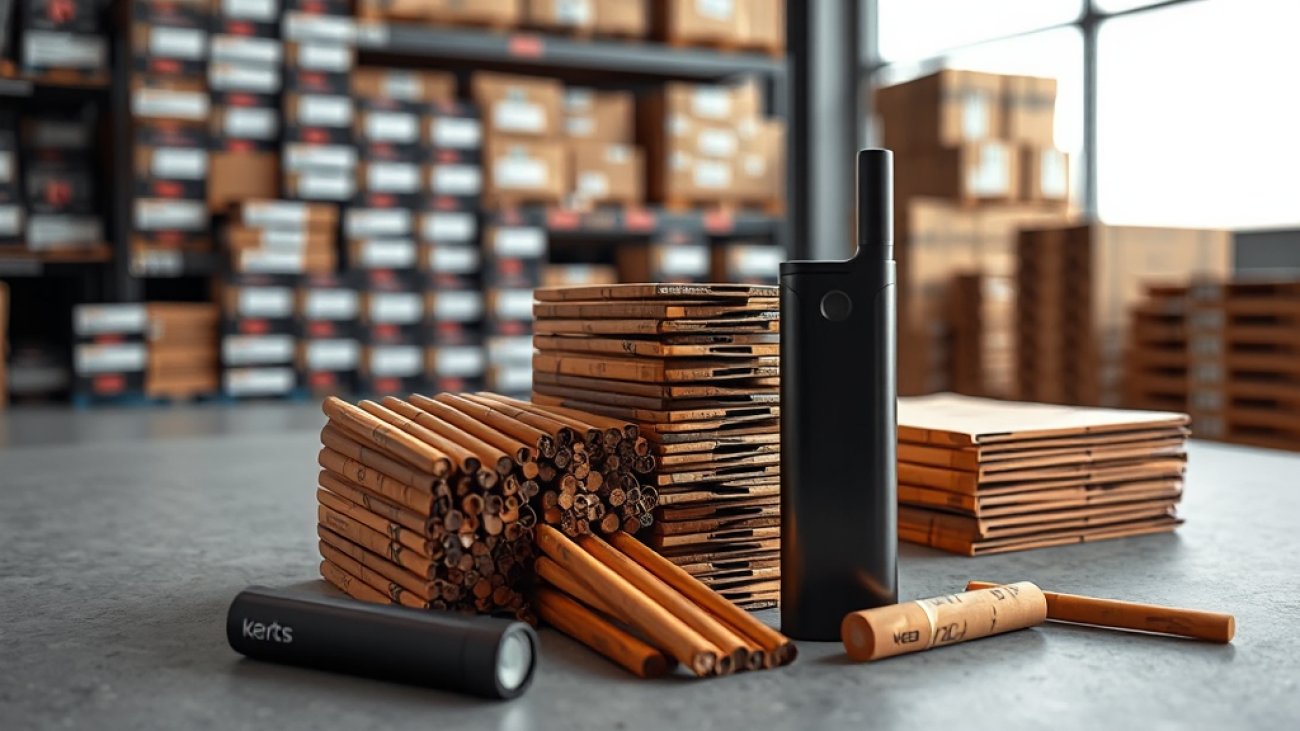
sticks-store.com: How EU Shoppers Buy Heated Tobacco Sticks by the Carton

sticks-store.com: How EU Shoppers Buy Heated Tobacco Sticks by the Carton

Heated tobacco has moved from niche curiosity to a mainstream routine for a large number of adult nicotine users across Europe. Instead of burning a cigarette, a heated tobacco device warms a specially designed stick to a controlled temperature and releases a vapour that carries the flavour and nicotine. That shift has created a new kind of shopping habit: people no longer buy single packs at the corner shop when they run out. They plan ahead, they compare device generations, and they look for a supplier that can ship sealed original cartons to their door. That is exactly the gap sticks-store.com was built to fill, and it is why the name keeps coming up in forums and group chats where adult users discuss where to restock.

This article looks at the heated tobacco retail landscape from a practical, buyer-focused angle. It covers what makes carton-level shopping different from pack-level shopping, how device ecosystems such as IQOS, glo and Ploom fit together with the sticks they use, what to check before ordering across borders in the EU, and how to build a restocking routine that avoids the frustration of running dry mid-week.

Why Carton Shopping Changed the Heated Tobacco Routine

Traditional cigarette buying is impulsive. You walk past a kiosk, you buy a pack, you repeat tomorrow. Heated tobacco tends to attract a different kind of buyer — someone who has already invested in a device, learned which stick variant suits them, and now wants consistency. A device is a one-off purchase, but sticks are the ongoing cost, and the ongoing cost is where the real planning happens.

Buying by the carton solves several problems at once. First, it removes the small anxiety of wondering whether your usual variant will be in stock at the local shop. Second, it usually improves the per-pack economics, because bulk quantities are priced more sensibly than single units. Third, it reduces the number of separate transactions, which matters for anyone who values a predictable monthly routine rather than a series of small errands.

The catch is that carton shopping only works when the supply is genuinely reliable and the packaging is genuinely sealed. A carton that has been opened, repacked or stored badly is not the same product, even if the sticks inside look identical. This is the single most important reason buyers gravitate towards specialist retailers rather than general marketplaces, and it is the standard that sticks-store.com positions itself around: sealed original packs, sold by the carton, delivered across the EU.

Understanding the Device and Stick Ecosystems

One of the most common mistakes new heated tobacco users make is assuming that all sticks work in all devices. They do not. Heated tobacco is a closed ecosystem in most cases, and the stick is engineered for a specific heating method, blade design and temperature curve. Putting the wrong stick in the wrong device ranges from disappointing to impossible.

There are three broad families that dominate the European market, and each one has its own stick lines:

  • IQOS and its stick range. IQOS devices are paired with stick lines such as TEREA, LEVIA and DELIA, depending on the device generation and the market. TEREA is associated with the newer blade-free induction devices, LEVIA and DELIA with specific regional portfolios. The variants cover everything from classic tobacco notes to menthol and fruit-forward blends.
  • glo and NEO. The glo ecosystem from British American Tobacco uses NEO sticks, which are designed for glo’s heating technology. NEO variants are typically organised around tobacco intensity and flavour capsules.
  • Ploom and its consumables. Ploom devices, including the newer VEO and earlier RIVO lines, use their own compatible sticks. Because Ploom’s portfolio has evolved through several device generations, matching the stick to the device version is essential.

Brands such as Kent also appear in the heated tobacco conversation, often as a familiar name bridging conventional tobacco and heated formats. For a buyer, the practical takeaway is simple: identify your device model first, then identify the stick line that belongs to it, then decide on variants. A retailer that lists all of these families in one place saves you from juggling three different shops.

What to Check Before Ordering Heated Tobacco Online in the EU

Cross-border shopping inside the European Union is convenient, but it is not frictionless. Rules around tobacco products vary by member state, and delivery expectations vary by carrier and destination. Before placing a carton order, it helps to run through a short checklist.

Age and eligibility. Heated tobacco is an adult product. Reputable retailers require age verification and will not sell to minors. If a shop does not ask, that is a warning sign rather than a convenience.

Product authenticity. Look for language about sealed original packs, batch information and tamper-evident packaging. Counterfeit sticks are a real problem in some markets, and they undermine both the device experience and the buyer’s confidence.

Shipping coverage. Confirm that your country is served and understand the realistic delivery window. EU-wide shipping is a broad promise; the actual transit time depends on your location and the carrier used.

Local regulations. Some countries restrict certain flavours, impose higher duties, or regulate distance sales of tobacco products more tightly than others. It is the buyer’s responsibility to know what is permitted where they live.

Customer support. A retailer that answers questions about device compatibility before the sale is usually a retailer that handles problems after the sale. Ask about returns, damaged shipments and wrong-item procedures before you commit to a large order.

Building a Restocking Routine That Actually Works

Most heated tobacco users do not run out because they forgot to buy. They run out because their buying pattern is reactive. A better approach is to treat sticks the way you treat any other recurring household supply: estimate consumption, set a reorder point, and keep a small buffer.

A simple method is to track how many sticks you use in a typical week, multiply by four, and treat that as your monthly baseline. Then order slightly above baseline so you always have a reserve. If you use roughly a pack a day, a carton order covers a meaningful stretch of time and removes the weekly errand entirely.

It also helps to standardise your variants. Experimentation is fine, but once you know which two or three variants you actually enjoy, ordering becomes faster and less error-prone. Many buyers keep one primary variant for daily use and one secondary variant for variety, and order both in the same carton shipment.

Finally, keep device accessories in mind. Chargers, cleaning tools and replacement parts wear out or get lost, and a stick order is a natural moment to check whether you need anything else. Combining items in one shipment is more efficient than placing separate orders weeks apart.

Why Specialist Retailers Beat General Marketplaces for This Category

General marketplaces are excellent for many products. For heated tobacco, they are a mixed bag. Listings are often vague about device compatibility, packaging condition is hard to verify, and third-party sellers may not have consistent stock. When a product is consumable and device-specific, ambiguity is expensive.

Specialist retailers solve this by narrowing their focus. They stock the stick lines that matter, they organise listings around device families, and they understand the difference between a sealed carton and a repacked bundle. For buyers who already know what they want, that focus translates into fewer mistakes and less time spent cross-checking compatibility.

This is the practical value of a store like sticks-store.com. It is not trying to be a general shop for everything. It is built around heated tobacco sticks and devices, with the brands that European users actually search for — TEREA, LEVIA, DELIA, NEO, VEO, RIVO, VIRTO, IQOS, glo, Ploom and Kent — and with EU delivery as a core feature rather than an afterthought.

Common Mistakes to Avoid When Buying Heated Tobacco Sticks

Even experienced buyers slip into habits that cause problems. Here are the ones that come up most often.

  • Buying sticks for the wrong device generation. A stick that fits an older device may not fit a newer one, and vice versa. Always match the stick line to your exact model.
  • Chasing the lowest price without checking the seller. A suspiciously cheap carton is often a red flag about authenticity or storage conditions.
  • Ordering too little to justify shipping. If you are paying for cross-border delivery, ordering a single pack rarely makes sense.
  • Ignoring local flavour rules. A variant that is legal in one country may be restricted in another. Check before you order in bulk.
  • Storing sticks badly. Heat, humidity and direct sunlight degrade the product. Keep cartons in a cool, dry place.
  • Forgetting to verify age requirements. Adult-only products require adult-only purchasing behaviour, including readiness to complete verification.

Frequently Asked Questions

What exactly does sticks-store.com sell?

It is an online retailer focused on heated tobacco sticks and devices, offering brands such as TEREA, LEVIA, DELIA, NEO, VEO, RIVO, VIRTO, IQOS, glo, Ploom and Kent, with sealed original packs available by the carton and delivery across the EU.

Can I mix different stick lines in one order?

In most cases yes, provided each line is compatible with a device you own. The important rule is device compatibility, not order composition. Just make sure you are not buying NEO sticks for an IQOS device or TEREA sticks for a glo device, because the ecosystems are not interchangeable.

How long does EU delivery usually take?

Transit time depends on your country and the carrier handling the shipment. Cross-border deliveries within the EU typically move faster than intercontinental ones, but exact windows vary. Check the shipping information provided at checkout for your specific destination.

Are the products sealed and original?

Reputable heated tobacco retailers emphasise sealed original packaging, and this is a reasonable standard to expect. If a listing is unclear about packaging condition, ask before ordering, especially for carton quantities.

Do I need to verify my age to order?

Yes. Heated tobacco is an adult product, and legitimate retailers require age verification. Expect to confirm your eligibility before your order is processed.

Final Thoughts

Heated tobacco shopping has matured. Adult users in the EU increasingly want the same things they expect from any other recurring purchase: reliable stock, clear product information, sensible bulk pricing and delivery that does not require a trip across town. Carton-level ordering from a specialist retailer is the natural answer to that demand.

If you already know your device and your preferred stick line, the remaining decision is simply where to restock. A focused shop that carries the major ecosystems, ships across the EU and treats sealed original packaging as a baseline rather than a selling point is the most practical choice. That is the role sticks-store.com plays in this market, and it is a useful starting point for anyone building a more predictable heated tobacco routine.

cmu8tvxgt5xr2o5szq5h4seob-1789849027333

풋스파(족욕)로 시작하는 셀프 두피 케어와 미용 창업의 연결고리

풋스파(족욕)로 시작하는 셀프 두피 케어와 미용 창업의 연결고리

하루의 피로를 푸는 가장 간단한 방법 중 하나는 따뜻한 물에 발을 담그는 것입니다. 풋스파(족욕)는 단순한 휴식 이상의 의미를 가집니다. 발은 온몸의 순환과 긴장 완화에 관여하는 부위이기 때문에, 족욕을 꾸준히 하면 수면의 질이 좋아지고 두피와 모발을 관리하려는 사람들의 전반적인 컨디션에도 긍정적인 영향을 줄 수 있습니다. 특히 두피 열감이나 각질, 유분 균형이 신경 쓰이는 분이라면 족욕으로 몸의 긴장을 낮춘 뒤 두피 관리를 병행하는 루틴이 효과적입니다. 이 글에서는 족욕을 중심으로 셀프 두피 케어 방법, 그리고 미용 업계에서 주목받는 헤드스파와 염색 관련 창업 정보를 함께 살펴봅니다.

풋스파(족욕)가 두피와 모발에 도움이 되는 이유

족욕은 발의 말초 혈관을 확장시켜 혈액 순환을 돕는 것으로 알려져 있습니다. 몸이 따뜻해지면 교감신경이 안정되고 스트레스 호르몬 수치가 낮아지는데, 이는 두피의 과도한 피지 분비와 염증 반응을 완화하는 데 간접적으로 기여할 수 있습니다. 실제로 많은 두피 관리 전문가들은 두피 트러블의 원인으로 스트레스와 수면 부족을 꼽습니다. 따라서 족욕으로 몸의 리듬을 정돈한 뒤 두피관리를 하면 제품 흡수와 마사지 효과를 더 잘 느낄 수 있습니다.

또한 족욕은 두피에 직접 열을 가하지 않기 때문에 민감성 두피를 가진 사람도 부담 없이 시도할 수 있습니다. 뜨거운 물로 머리를 감는 습관은 두피 건조와 각질을 유발할 수 있지만, 족욕은 몸 전체를 이완시키는 방향으로 작용합니다. 족욕 후에는 미지근한 물로 두피를 헹구고, 두피스파 전용 제품이나 스케일링 도구를 사용해 노폐물을 부드럽게 제거하는 것이 좋습니다.

집에서 실천하는 풋스파(족욕) 루틴

집에서 하는 족욕은 준비물이 간단합니다. 38~40도의 따뜻한 물을 대야에 받고, 발목이 잠길 정도로 물을 채웁니다. 15~20분간 발을 담그면서 발가락을 가볍게 움직이거나 발바닥을 문질러 주면 혈액 순환이 더 원활해집니다. 여기에 천일염이나 족욕용 허브를 넣으면 각질 완화와 향기 요법 효과를 함께 기대할 수 있습니다.

족욕을 마친 뒤에는 물기를 잘 닦고 보습제를 발라줍니다. 이때 발뿐 아니라 종아리와 무릎 아래까지 마사지하면 림프 순환에 도움이 됩니다. 주 2~3회 정도가 적당하며, 너무 뜨거운 물이나 장시간 족욕은 오히려 피부 건조를 유발할 수 있으니 주의해야 합니다. 족욕과 함께 두피 마사지를 하면 머리 전체의 긴장이 풀리고, 새치염색이나 뿌리염색 후 두피가 예민해진 날에도 진정 효과를 줄 수 있습니다.

두피 관리와 염색의 균형: 전문가에게 맡겨야 하는 이유

셀프 케어만으로는 해결하기 어려운 두피 고민도 있습니다. 지루성 두피염, 심한 각질, 탈모 초기 증상 등은 전문적인 진단과 관리가 필요합니다. 이때 방문할 수 있는 곳이 바로 염색방이나 두피 전문 관리실입니다. 염색방은 단순히 염색만 하는 곳이 아니라, 두피 상태를 확인하고 염색약과 시술 방법을 조정하는 공간입니다. 특히 새치염색은 뿌리 부분에 강한 약제가 닿기 때문에 두피 보호가 중요합니다. 숙련된 전문가는 두피 보호제를 바르고, 뿌리염색 시술 후 두피 진정 케어를 함께 제공하기도 합니다.

이러한 서비스를 제공하는 곳을 염색전문점이라고 부릅니다. 염색전문점은 일반 미용실보다 염색과 두피 관리에 특화된 시스템을 갖추고 있어, 반복적인 염색으로 두피가 민감해진 고객에게 적합합니다. 족욕이나 풋스파(족욕)로 집에서 기본 컨디션을 관리하고, 정기적으로 전문점을 방문해 두피스파와 염색을 병행하는 것이 이상적인 루틴입니다.

미용 창업을 고민한다면: 염색방창업과 두피관리샵창업

최근 미용 업계에서는 염색방창업과 두피관리샵창업이 주목받고 있습니다. 염색방은 일반 미용실보다 초기 투자 부담이 적고, 1인 운영이 가능해 소자본창업을 원하는 예비 창업자에게 적합합니다. 특히 주부창업이나 1인창업을 고려하는 분들에게는 운영 시간을 유연하게 조정할 수 있다는 장점이 있습니다.

두피 관리에 대한 관심이 높아지면서 헤드스파창업도 인기 있는 선택지입니다. 헤드스파는 두피 스케일링, 마사지, 영양 공급을 포함하는 서비스로, 고객 재방문율이 높은 편입니다. 미용창업을 준비한다면 염색과 두피 관리를 함께 제공하는 복합 매장을 고려해볼 수 있습니다. 이 경우 염색전문점창업과 두피 관리 시스템을 동시에 갖추는 것이 경쟁력이 됩니다.

창업을 할 때는 브랜드 선택도 중요합니다. 프랜차이즈창업은 검증된 운영 노하우와 교육 시스템을 제공하므로 초보 창업자에게 안정적입니다. 컬러드스파와 같은 브랜드는 염색과 두피 관리를 결합한 모델로, 족욕이나 풋스파(족욕) 같은 릴랙스 서비스를 부가적으로 제공해 고객 만족도를 높일 수 있습니다. 브랜드에 따라 Color de Spa라는 이름으로 알려진 곳도 있으니, 창업 전에 충분한 비교와 상담을 권장합니다.

풋스파(족욕)와 미용 서비스를 결합한 고객 경험 설계

미용실이나 두피 관리샵에서 족욕 서비스를 도입하면 고객 대기 시간을 유용하게 활용할 수 있습니다. 염색약을 바르고 기다리는 동안 족욕을 제공하면 고객은 지루함 대신 휴식을 경험합니다. 이는 염색방이나 두피관리 샵의 차별화 요소가 될 수 있습니다. 실제로 일부 염색전문점은 족욕기와 헤드스파 베드를 함께 배치해 시너지를 내고 있습니다.

고객 입장에서도 족욕은 부담 없는 서비스입니다. 별도의 예약 없이 제공되거나 소액의 추가 요금으로 이용할 수 있어, 헤드스파나 두피스파와 함께 받으면 만족도가 높아집니다. 특히 새치염색이나 뿌리염색처럼 정기적으로 방문해야 하는 시술에서는 이러한 부가 서비스가 재방문을 유도하는 역할을 합니다.

자주 묻는 질문(FAQ)

풋스파(족욕)는 얼마나 자주 하는 것이 좋나요?

일주일에 2~3회, 회당 15~20분이 적당합니다. 매일 해도 무리는 없지만 피부가 건조해질 수 있으니 족욕 후 보습을 충분히 해주세요. 두피 관리와 병행한다면 족욕 후 두피 마사지를 하는 루틴을 추천합니다.

족욕이 실제로 두피나 모발 성장에 직접적인 영향을 주나요?

족욕이 모발 성장을 직접 촉진한다는 임상적 근거는 제한적입니다. 다만 스트레스 완화와 수면 개선을 통해 간접적으로 두피 환경에 도움을 줄 수 있습니다. 탈모나 두피 질환이 있다면 두피관리 전문가와 상담하는 것이 우선입니다.

염색방과 일반 미용실은 무엇이 다른가요?

염색방은 염색과 두피 보호에 특화된 공간입니다. 일반 미용실보다 염색약 선택의 폭이 넓고, 두피 상태에 따라 시술 방법을 세밀하게 조정합니다. 새치염색이나 뿌리염색을 자주 하는 분에게 적합합니다.

미용 창업을 할 때 가장 중요한 준비는 무엇인가요?

상권 분석과 함께 자신이 제공할 서비스의 차별화가 중요합니다. 염색방창업이나 두피관리샵창업을 고려한다면 관련 교육과 자격을 갖추고, 프랜차이즈창업 여부를 신중히 결정하세요. 소자본창업을 원한다면 1인 운영이 가능한 모델부터 시작하는 것도 방법입니다.

풋스파(족욕) 서비스를 미용실에 도입하려면 어떤 점을 고려해야 하나요?

공간과 위생 관리가 핵심입니다. 족욕기는 정기적으로 소독하고, 고객마다 물을 교체해야 합니다. 또한 헤드스파나 두피스파와 동선이 겹치지 않도록 배치를 설계하면 운영 효율이 높아집니다. 미용창업을 준비 중이라면 이러한 부가 서비스가 고객 경험을 어떻게 개선할지 미리 시뮬레이션해보는 것이 좋습니다.

마무리: 작은 루틴이 만드는 큰 차이

풋스파(족욕)는 거창한 장비 없이도 시작할 수 있는 건강 루틴입니다. 몸의 긴장을 낮추고 두피 관리의 효과를 높이며, 미용 서비스 현장에서는 고객 만족도를 끌어올리는 도구가 됩니다. 집에서는 꾸준한 족욕과 두피 마사지로 기본을 다지고, 전문적인 관리가 필요할 때는 컬러드스파와 같은 염색·두피 전문 브랜드의 도움을 받아보세요. 창업을 고민하는 분이라면 염색전문점창업이나 헤드스파창업 정보를 비교하며 자신에게 맞는 방향을 찾길 바랍니다. 작은 습관 하나가 두피와 모발, 그리고 비즈니스의 가능성을 바꿀 수 있습니다.

cmu7gf1an0n5wo5szlxyaf4fo-1789765934173

All Top Yono Rummy App: A Practical Guide to Comparing Rummy Apps in India

All Top Yono Rummy App: A Practical Guide to Comparing Rummy Apps in India

If you have spent any time searching for card game apps in India, you have probably run into the phrase All Top Yono Rummy App. It gets used loosely online, often as a catch-all label for a cluster of rummy-style applications that share a similar naming pattern and a similar pitch. But what does it actually mean in practice, and how should a careful user in India approach these listings without getting lost in hype? This guide walks through what the term covers, which details matter when you compare apps, and how a structured directory can save you hours of messy searching.

What People Mean by “All Top Yono Rummy App”

The phrase is not a single product. It is a shorthand that users and listing sites apply to a family of rummy-style apps that often carry a “Yono” style prefix in their branding. These apps typically offer variations of the classic rummy format: 13-card rummy, points rummy, pool rummy, and sometimes deals rummy. They usually include practice tables, tutorials, and some form of ranked or competitive mode.

Because the naming is so similar across apps, it is easy to assume they are all the same product. They are not. Different operators run different servers, publish different terms, and structure their in-app economies differently. That is exactly why a comparison-first approach matters. Instead of trusting a single download page, you want a place where multiple apps are listed side by side with the details that actually affect your experience.

Why a Directory Beats Random App Store Browsing

App stores are built for discovery, not for comparison. They show you ratings, screenshots, and a short description, but they rarely put two similar rummy apps next to each other in a way that lets you weigh payouts, signup framing, or category filters. A dedicated directory solves that problem by organizing rummy-style apps into ranked listings with practical details attached.

Best Play Rummy is one example of this approach. It is an informational directory that helps users in India discover and compare rummy-style apps through ranked listings, category filters, ratings, and practical app details. Importantly, it does not operate the listed services. That distinction matters: a directory is a research tool, not a game operator. You still review the operator’s current terms before you decide anything.

When you use a directory, you can filter by the signals that matter most to your research. Maybe you care about payout clarity. Maybe you care about how signup is framed. Maybe you want to see which apps fall into which category. A well-built hub lets you do that quickly, instead of opening twenty tabs and trying to remember which app had which feature.

Key Signals to Compare Across Rummy Apps

Not all comparison criteria are equally useful. Some are marketing noise; others genuinely change your experience. Here are the signals worth paying attention to when you look at any rummy-style app listing.

Payout and Withdrawal Framing

Look at how the app describes its payout process. Does it explain timelines clearly? Does it list any conditions that affect withdrawal? Vague language here is a warning sign. A good listing will summarize what the operator publishes, and a good user will then verify it on the operator’s own terms page.

Signup and Onboarding

Some apps emphasize a quick signup; others require more verification steps. Neither is automatically better, but the framing tells you what the operator prioritizes. If a listing highlights signup bonuses, read the accompanying conditions carefully. The bonus is rarely the whole story.

Game Categories and Modes

Rummy is not one game. Points rummy, pool rummy, and deals rummy play differently and suit different skill levels. A directory that lets you filter by category helps you find apps that actually offer the mode you want, rather than forcing you to download and uninstall repeatedly.

Ratings and User Signals

Ratings are useful but imperfect. Look at them as one input among many. A high rating with very few reviews is less meaningful than a moderate rating with a long history of feedback. Combine ratings with the practical details in the listing before you form a judgment.

How to Use a Rummy App Directory Effectively

Using a directory well is a skill. Here is a simple workflow that keeps your research organized and reduces the chance of missing something important.

First, define what you actually want. Are you looking for a practice-focused app to learn the rules? A competitive app with ranked modes? An app with a particular category of games? Write that down before you start browsing, so you do not get pulled off course by flashy listings.

Second, use the filters. A good directory lets you narrow by category, rating, or other signals. Apply the filters that match your priorities, then review the shortlist. This is much faster than scrolling through an unfiltered list.

Third, read the practical details for each shortlisted app. Pay attention to the specifics: what modes are offered, how the app describes its economy, and what the listing says about terms. If something is unclear, note it as a question to resolve before you commit.

Fourth, cross-check with the operator’s current terms. This step is non-negotiable. Listings summarize; operators define. The terms page is where the actual rules live, and it can change. Always review the current version.

Common Misunderstandings About Yono-Style Rummy Apps

Because the naming is repetitive and the marketing is loud, several misunderstandings circulate. Clearing them up makes comparison much easier.

One common misunderstanding is that all apps with a similar name are operated by the same company. They usually are not. Similar branding does not mean shared ownership or shared terms. Treat each app as its own entity with its own rules.

Another misunderstanding is that a listing site operates the games. It does not. A directory like Best Play Rummy is an informational resource. It helps you compare, but it does not run the apps, hold your funds, or control the game servers. That is why the operator’s terms are the final authority.

A third misunderstanding is that ratings tell the whole story. Ratings reflect user sentiment, but they can be influenced by many factors unrelated to the quality of the game itself. Use them as a signal, not a verdict.

Finally, some users assume that all rummy apps offer the same modes. They do not. Some focus on points rummy, others on pool rummy, and some offer a mix. If a specific mode matters to you, verify it in the listing and then in the app itself.

Responsible-Play Resources and Why They Belong in Your Research

A serious comparison process includes responsible-play information. This is not an afterthought; it is part of understanding what you are signing up for. Responsible-play resources typically cover topics like setting limits, recognizing when play stops being fun, and understanding the difference between casual and competitive play.

When a directory includes responsible-play resources alongside its listings, it signals that the goal is informed choice rather than pure promotion. For users in India, where rummy-style apps are widely discussed, having that context in one place is genuinely useful. It helps you approach the category with clear eyes instead of treating every listing as equally trustworthy.

If you are new to rummy apps, start with practice modes and free tables where available. Learn the rules, understand the scoring, and get comfortable before you explore competitive options. The skills you build in practice carry over, and you will make better decisions about which app suits you.

Building a Shortlist You Can Trust

A trustworthy shortlist is small, specific, and verified. After you filter and compare, aim for three to five apps that genuinely match your priorities. For each one, confirm the details that matter to you: the modes offered, the signup process, the payout framing, and the current terms.

Then, before you commit to any single app, revisit the listing one more time. Listings can be updated, and your priorities may have shifted as you learned more. A final review catches details you might have skipped on the first pass.

This process is slower than downloading the first app you see, but it is far more reliable. It replaces guesswork with structure, and it keeps the operator’s terms at the center of your decision, where they belong.

FAQ: Common Questions About Yono-Style Rummy App Listings

Is “All Top Yono Rummy App” a single app?

No. It is a loose label used for a group of rummy-style apps that share similar naming patterns. Each app is operated separately, with its own terms and features.

Does a listing site like Best Play Rummy operate the games?

No. Best Play Rummy is an informational directory. It helps users compare rummy-style apps through ranked listings, filters, and practical details, but it does not operate the listed services.

What should I check before choosing a rummy app?

Check the game modes offered, how signup and payouts are framed, the app’s ratings, and the operator’s current terms. The terms page is the final authority on how the app actually works.

Why do so many rummy apps have similar names?

Similar naming is often a branding choice. It does not mean the apps share an owner or the same rules. Treat each app as a separate entity and compare the details individually.

How can I compare rummy apps more efficiently?

Use a directory that supports category filters and ranked listings, define your priorities first, and cross-check the shortlisted apps against the operator’s current terms before you decide.

Final Thoughts on Comparing Rummy Apps in India

The phrase “All Top Yono Rummy App” is best understood as an invitation to compare, not as a promise about any single product. The apps behind the label vary in modes, terms, and user experience, and the only reliable way to choose well is to review the details that matter to you.

A structured directory makes that review faster and more organized. By filtering, comparing, and verifying against the operator’s current terms, you replace guesswork with a clear, informed decision. That is the practical value of a comparison-first approach, and it is why directories like Best Play Rummy exist: to help users in India research rummy-style apps with better information and clearer expectations.